Song Meaning
The lyrics paint a stark picture of deep emotional pain, where the narrator explicitly rejects comfort and hope. They ask not to be questioned about their well-being, to be spared predictions of a better future, or dreams of renewal. Instead, the narrator wishes to remain in the darkness, finding solace in sorrow, unable to bear their burdens or find the strength to illuminate their path. This is a raw admission of being overwhelmed, where the weight of their troubles feels insurmountable.
The central tension lies in the narrator's plea for light amidst profound darkness, yet their simultaneous resistance to conventional healing. They are on their knees, feeling like they only fall further, questioning the pressure to stand when they are already collapsing. The repeated refrain, "Lys, kom til mitt hjerte" (Light, come to my heart), acts as a desperate, almost involuntary cry for relief, even as the verses detail a refusal of external comfort. It suggests an internal battle where the desire for light clashes with the comfort found in embracing the current despair.
The craft here is in the stark, almost brutal honesty and the powerful contrast between the verses and the chorus. The narrator rejects platitudes like "alt e over" (everything is over) and the idea of a "nyfødt vår" (newborn spring), opting instead to "stå i mørket" (stand in the darkness). This deliberate choice to embrace the negative, to find a strange peace in sorrow, makes the subsequent plea for light all the more poignant. The repetition of "Lys" amplifies the yearning, making it the singular focus of hope in an otherwise bleak landscape.
This writing is effective because it bypasses easy answers and taps into a feeling of profound, isolating despair. The lyrics don't offer solutions but articulate the raw experience of being stuck. The narrator’s admission that they've never known darkness before, yet now need to face their biggest blow, adds a layer of vulnerability. The final lines, "Æ skal opp å se på sola / Hvis det kjem en vakker dag" (I will go up and look at the sun / If a beautiful day comes), leave a fragile, conditional hope, grounded in the reality of their current struggle.
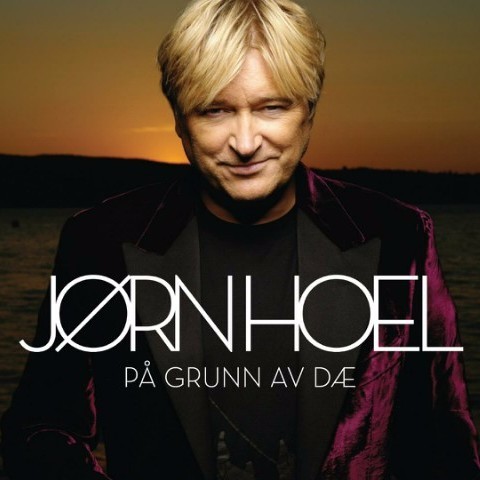
 View Artist