Song Meaning
The lyrics present a powerful, almost divine, offer of salvation from a narrator who promises to "give you life." This isn't a gentle suggestion; it's a forceful command to abandon falsehoods and embrace a new existence. The opening lines immediately set a tone of urgency, urging the listener to "Forget the faith that brings you lies" and "Forget the face," implying a need to shed an old, damaging identity or belief system. The repetition of "Forget the face" underscores the radical transformation being proposed, a complete erasure of the past.
The core of the song lies in the stark contrast between a state of dying and the promise of renewal. The narrator acknowledges the "loneliest days of life" and the inevitability of death, but immediately counters it with a resolute "And now I will fix you." This establishes a dramatic tension between despair and hope, with the narrator positioning themselves as the sole agent of rescue. The plea "Child don't be afraid" and the repeated gesture of offering hands suggest a nurturing, protective role, aiming to guide someone through immense fear and pain.
The most striking aspect of the craft is the narrator's all-encompassing offer: "Take all my love and hate." This isn't a simple act of kindness; it's a complete surrender of the narrator's own emotional spectrum, a willingness to absorb and integrate the listener's darkness alongside their own. The imagery of being "Made of skin and light" further elevates the narrator, suggesting a being capable of profound empathy and a unique form of rebirth. The act of giving life is presented as a total, unconditional embrace, meant to facilitate a new way of seeing and experiencing the world.
Ultimately, the effectiveness of these lyrics stems from their raw, declarative power. The repeated, emphatic assertion "I will give you life" acts as an anchor, a constant reminder of the profound promise being made. The lyrics create an intense emotional landscape where vulnerability meets an unshakeable resolve, drawing the listener into a narrative of desperate need and absolute redemption. It’s the sheer force of the narrator’s conviction that makes this offer so compelling, suggesting a transformation so complete it borders on the miraculous.
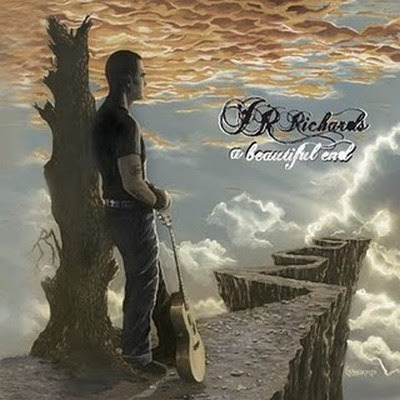
 View Artist