Song Meaning
The lyrics paint a stark picture of a relationship's bitter end, urging a definitive break. The opening lines, "Sever the ties and bury the hatchet," immediately establish a tone of finality, suggesting a need to put conflict to rest permanently. The narrator's plea to "Keep looking away" implies a deliberate avoidance of painful truths or lingering attachments within the shared space, signaling that the emotional landscape has become barren and devoid of anything worth salvaging.
The core tension arises from a conflict between past belief and present disillusionment. The narrator acknowledges a shared, perhaps naive, belief in something that has now proven false, stating, "Baby I thought it was true what they all say." This is juxtaposed with a cynical view of shame, suggesting it's a burden for others, not themselves, as "shame's a gift for someone else." The repeated, almost desperate question, "How come it shines all day how come it shines all night?" hints at an inescapable, perhaps even blinding, aspect of this failed ideal or the lingering consequences.
The most striking element is the relentless barrage of imperatives in the latter half. The narrator cycles through a dizzying array of actions – "fall," "get up," "get drunk," "lie," "love," "cry," "laugh," "shut up," "sink," "swim," "look," "see," "close your eyes" – all culminating in the repeated command to "do better." This creates a sense of overwhelming pressure and frantic, contradictory advice, as if the narrator is desperately trying to force a change or find a way out of the current emotional paralysis. The final, urgent plea to "stay here with me" clashes with the earlier call for separation, revealing a deep-seated ambivalence and a desperate clinging to what's being lost.
This writing is effective because it captures the chaotic, often irrational emotional state of a relationship's collapse. The rapid-fire commands and contradictory actions mirror the internal turmoil and the desperate, unfocused energy of someone trying to salvage something or escape pain. The shift from a clear call for separation to a plea for connection highlights the messy, non-linear nature of heartbreak, making the narrator's struggle feel intensely real and raw.
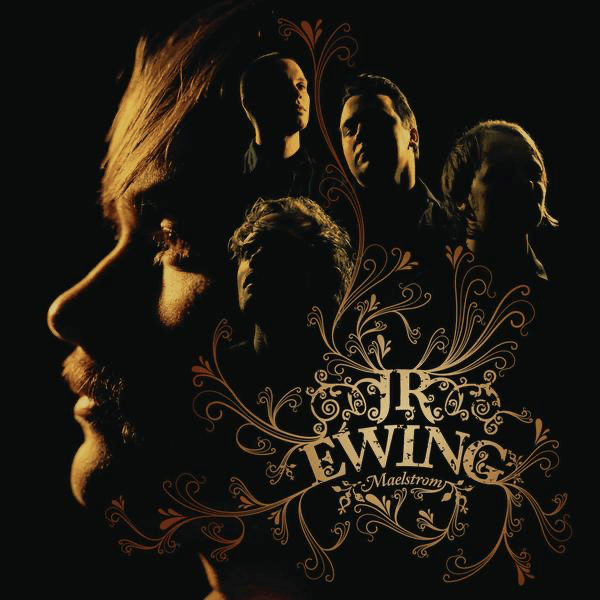
 View Artist