Song Meaning
The lyrics paint a picture of a world where external validation and manufactured happiness clash with a deeper, more complex reality. The narrator recounts pronouncements from "some guy" offering platitudes about things working out and personal destiny, alongside "some girl" claiming fulfilled dreams and intimate knowledge. These pronouncements feel hollow against the stark declaration: "We were born today but died electric yesterday." This central paradox suggests a disconnect between outward appearances and inner experience, a feeling of being simultaneously new and irrevocably past.
The core tension lies in the contrast between the seemingly simple advice and the narrator's lived experience. The "fairytales of a perfect childhood" are immediately undercut by the insistent "It's never that easy." This isn't just a personal struggle; the repetition of "We were born today but died... yesterday" implies a shared condition. The phrase "died electric yesterday" is particularly striking, hinting at a kind of simulated or artificial past that has already occurred, even as the present moment feels like a fresh start. It suggests a world saturated with superficiality, where genuine experience is replaced by a performance.
The most compelling aspect of the writing is the juxtaposition of passive reception and active disillusionment. The narrator is bombarded with pronouncements – "Some guy said," "Some girl said" – yet their internal response is a knowing "I just know." This internal certainty, born from experience, cuts through the external noise. The shift from "died electric yesterday" to "died eccentric yesterday" further emphasizes this, moving from a sense of artificiality to one of perhaps performative or even slightly bizarre individuality, all while maintaining the core idea of a past that has already concluded the present.
This lyrical construction is effective because it captures a specific kind of modern ennui. The feeling of being told everything is fine while sensing a profound disconnect resonates deeply. The contrast between the external, often saccharine, narratives and the narrator's internal, more somber, realization creates a powerful emotional weight. The lyrics don't offer easy answers but instead articulate the unsettling feeling of living in a present that feels already over, a "faking-time" where authenticity is elusive.
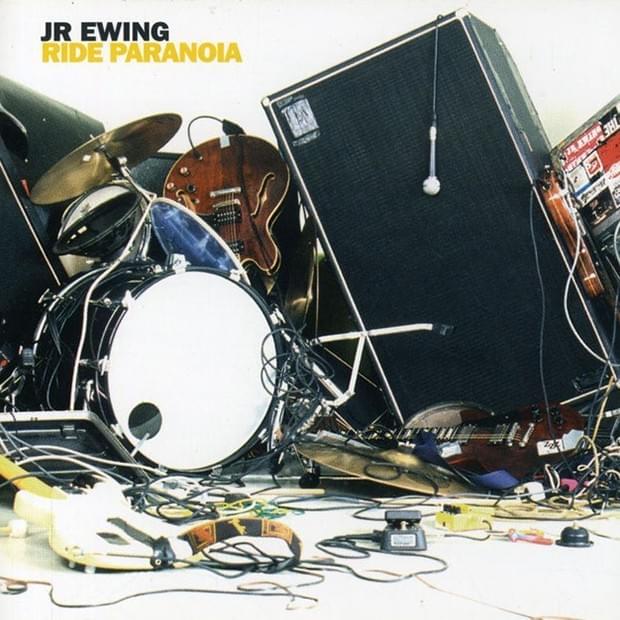
 View Artist