Song Meaning
The lyrics immediately plunge into a bitter declaration of worth and resentment. The speaker identifies as a "valuable asset" to employers they openly disdain. This value, however, only fuels the employers' lavish lifestyle. It's a stark picture of exploitation.
At its core, this piece captures the searing tension between labor and capital, filtered through a lens of class contempt. The speaker's self-worth as an "income" is directly tied to the "comfy overseas flights" of those who hired them. This isn't just about money; it's about dignity, as the speaker's contribution is reduced to funding someone else's perceived low-brow luxury, highlighted by "cheap whine and plastic meat."
A crucial shift occurs as the individual grievance expands into a collective identity. The narrator moves from "Am a valuable asset" to declaring "We are the expendable youth." This transition broadens the scope, suggesting a shared experience of being used and discarded. The final line, "That falls for the trick and treat," cleverly re-appropriates a childhood phrase to describe the deceptive nature of their employment, implying a naive hope that was ultimately betrayed.
These lyrics hit hard because of their raw, unvarnished honesty and sharp contrasts. The speaker's contempt for their employers ("white trash") is palpable, creating an immediate, visceral reaction. By linking their labor directly to the employers' perceived shallow indulgence, the writing evokes a powerful sense of injustice. The concise, punchy language and the relatable feeling of being exploited make this a potent statement on economic inequality and generational disillusionment.
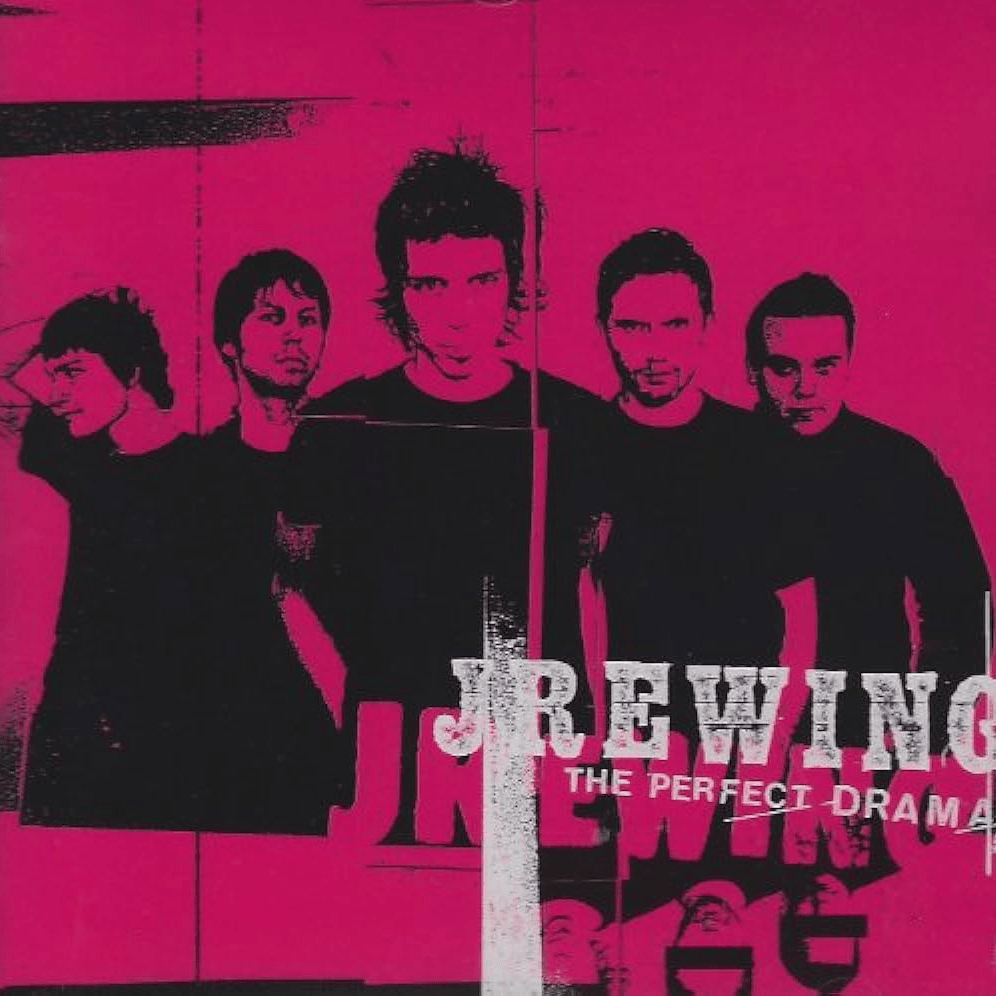
 View Artist