Song Meaning
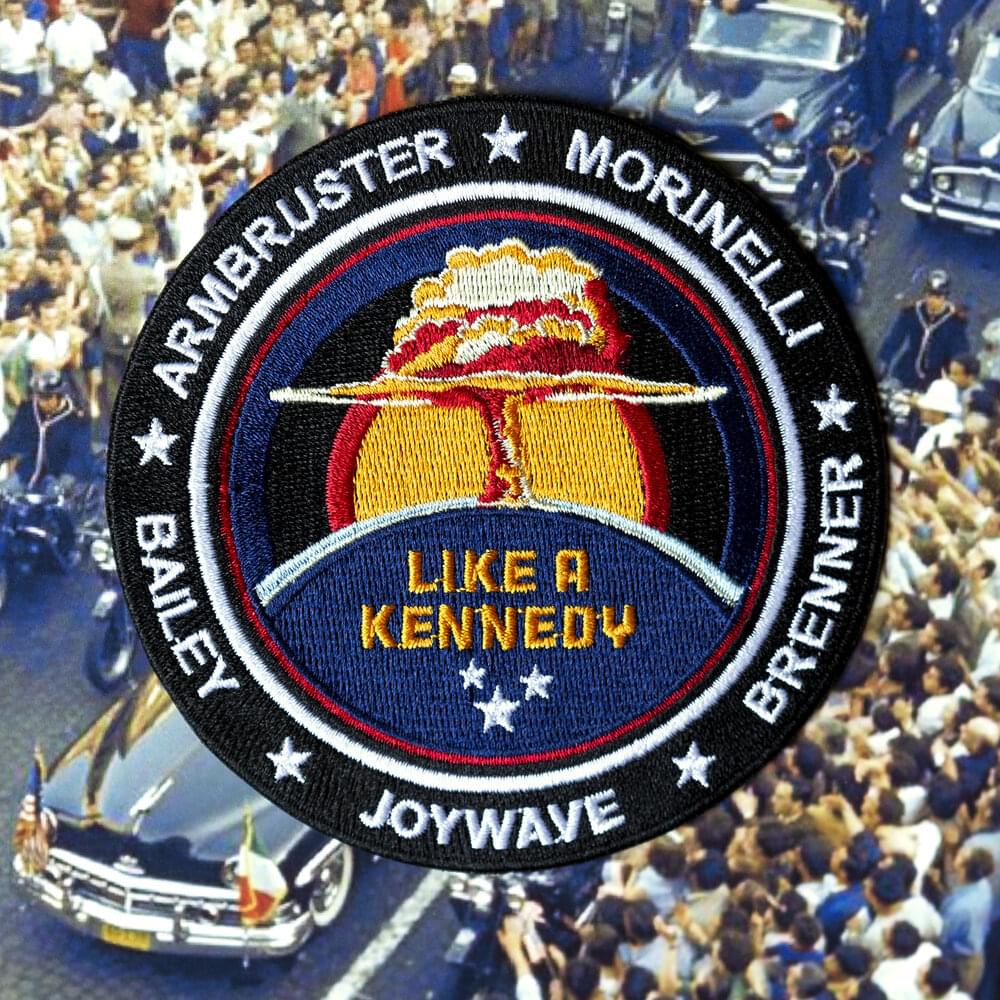
The lyrics paint a picture of escalating anxiety and a loss of control, framed by a specific, loaded historical reference. The narrator's head swells "like a Kennedy," a potent image that suggests a feeling of impending doom or a dramatic, public downfall. This is immediately undercut by a desperate, almost performative, declaration of fearlessness, "I won't be afraid," which feels hollow against the backdrop of "losing faith." The presence of "Jackie next to me" adds a layer of personal intimacy to this public-facing dread, hinting at a shared vulnerability or a strained attempt at normalcy amidst chaos.
The central tension arises from a pervasive sense of uncertainty and external threat. The repeated, almost chanted, questions in the chorus – "Are they gonna bomb us all?" "Do you think they'll build the wall?" "Do you think they'll take it all?" – are met with a resigned, passive "I don't know." This refrain captures a feeling of helplessness, where the narrator is bombarded with potential catastrophes but lacks the agency or information to respond. It’s a snapshot of societal unease where grand, terrifying possibilities feel both imminent and unknowable.
The most striking craft element is the juxtaposition of grand historical trauma with mundane personal desires. The narrator's TV is "talking to itself," spewing divisive rhetoric like "Do we shoot 'em all dead?" while a reporter seeks a soundbite. This external noise and political polarization are contrasted sharply with the simple, almost primal, wish expressed later: "I just want to be fat and old / And happy." This stark contrast highlights a yearning for peace and personal comfort in the face of overwhelming, abstract threats.
This lyrical approach is effective because it taps into a specific kind of modern dread – the feeling of being overwhelmed by global events and divisive media, while simultaneously craving simple, personal contentment. The "Kennedy" allusion, while open to interpretation, evokes a sense of high-stakes drama and public tragedy. The repeated "I don't know" isn't just ignorance; it's a profound statement of powerlessness, making the final, quiet wish for happiness feel both poignant and desperately out of reach.
 View Artist