Song Meaning
The lyrics paint a bleak picture of modern life, dominated by a relentless media cycle that feels both hypnotic and deceptive. The narrator observes a daily "dead parade," a parade of what? The TV acting as "opium" suggests it's a manufactured reality, a constant stream of "superstars" and "engaging" content designed to numb rather than enlighten. This manufactured spectacle is presented as a "gravy train," implying a system that benefits those who participate in its superficiality.
This manufactured reality is contrasted with a "glorious life" that feels absent and unattainable. The "million faces" lining up for this "over rated dream" seem to be chasing something hollow, something that ultimately "does not feel." The core tension lies in the realization that this pervasive, engaging illusion is a trap, leading to a profound sense of regret and self-betrayal for those who have "sold yourself" to it.
The most striking aspect is the narrator's visceral reaction to the media's manipulative power. The lyrics describe how the "media beautifies, calculates and lies," turning the "mindless" into something that appears "free." This freedom, however, is a cruel illusion, existing only by "fl[ying] in the face of someone else's misery" and ultimately "laugh[ing] at the insanity." It's a sharp critique of how superficial entertainment can thrive on and even amplify collective suffering.
What makes these lyrics hit so hard is their unflinching gaze at the disconnect between the vibrant, loud media landscape and the internal emptiness it fosters. The contrast between the "highly engaging" surface and the "worst kind of wasted" feeling underneath creates a powerful sense of unease. The narrator's fear, stemming from what they "see," suggests a growing awareness of this societal opiate and its destructive consequences.
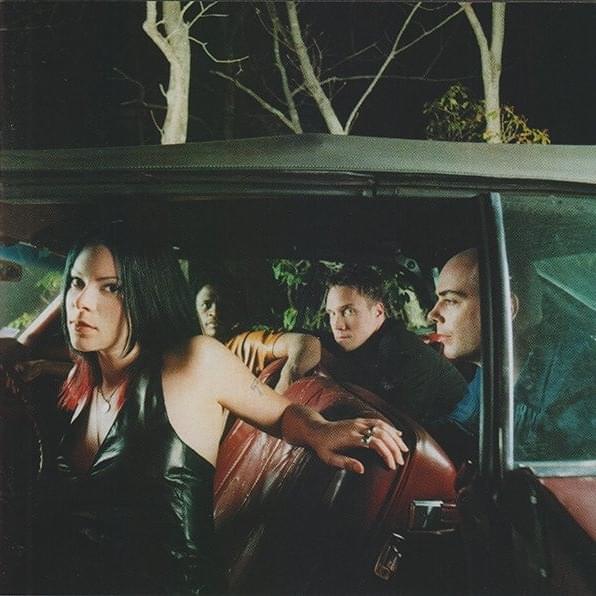
 View Artist