Song Meaning
The lyrics paint a vivid picture of Brazilian cuisine, listing a vibrant array of dishes like "vatapá, caruru, mungunzá" and drinks such as "guaraná" and "açaí." This culinary abundance is presented as filling "o prato do brasil até cansar," suggesting a nation rich in flavor and sustenance. Yet, this initial image of plenty quickly shifts to a more complex emotional landscape.
The core tension emerges as the lyrics contrast the physical capacity to eat more with the insatiable hunger of those in need. "Na barriga de quem come / Sempre cabe um pouco mais," but "No olho grande de quem tem fome / Sobra raiva há muito tempo." This highlights a societal disparity, where physical fullness coexists with deep-seated anger born from prolonged deprivation and "recessão, arrastão, turbilhão."
The craft here lies in the juxtaposition of culinary delight and social unrest. The repeated listing of food items creates a rhythm of abundance, only to be interrupted by stark realities of "raiva" and "fome." The shift from concrete food names to abstract concepts like "ilusão, esperança, explosão" signifies a yearning for change, a potential eruption from the current state of hardship. The rhetorical question "- por que não?" injects a defiant optimism.
Ultimately, the lyrics resonate because they capture a complex emotional state: the pride in cultural richness intertwined with the frustration of social inequality. The call to "Chama o brasil, vamos pra mesa" and the concluding declaration "Esse país merece um vatapá!" serve as an anthem of hope and resilience, a belief that despite the struggles, the nation deserves its full, flavorful due.
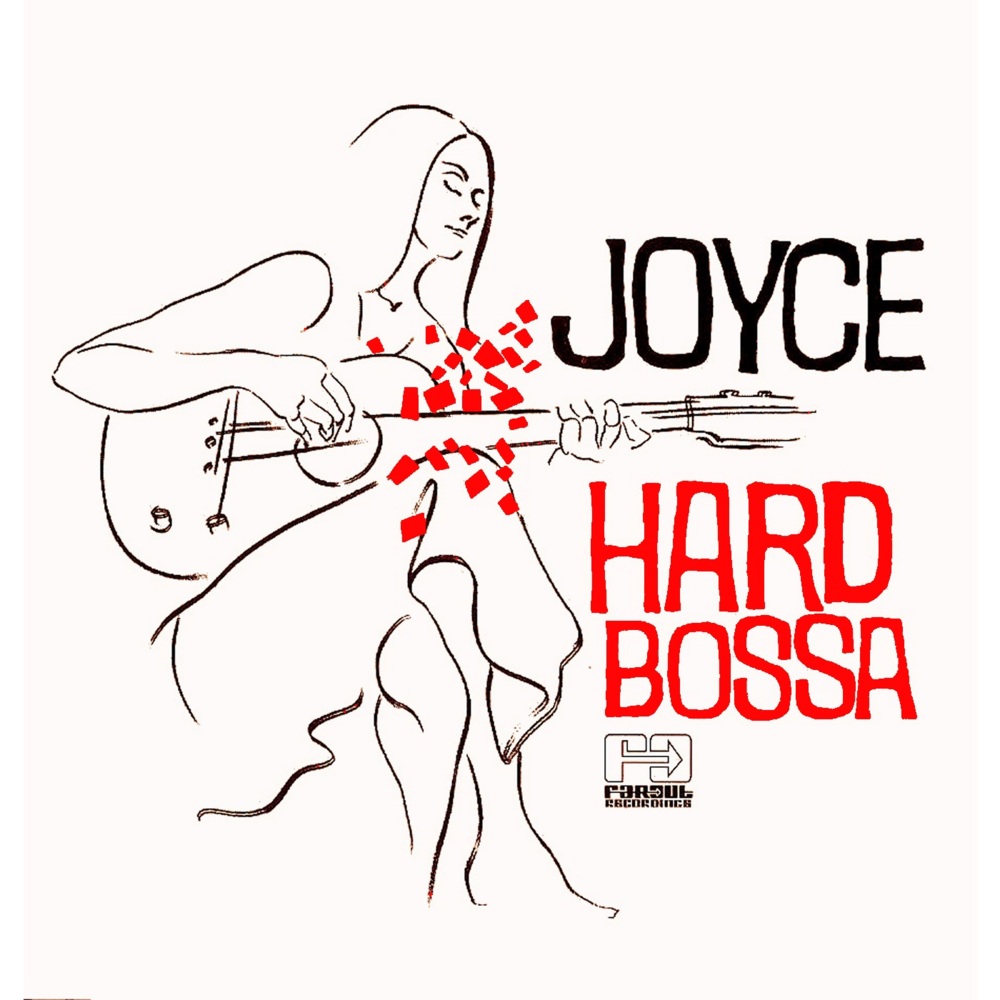
 View Artist