Song Meaning
This song paints a vivid picture of a child's early steps, both literal and metaphorical. The opening lines, "Upa, neguinho na estrada / Upa, pra lá e pra cá," establish a scene of a young child beginning to navigate the world, full of tentative movement and perhaps a touch of parental awe. The exclamation "Virge, que coisa mais linda!" captures a moment of pure, unadulterated joy and wonder at this burgeoning life. It’s a simple, beautiful observation of a child's first independent explorations.
However, this initial innocence is quickly juxtaposed with hardship. The lyrics shift from "começando a andá" to "E já começa a apanhá," suggesting that the child's journey into the world, even at its earliest stages, is met with difficulty and pain. This contrast highlights a recurring theme: the world is not always kind, and growth often comes with struggle. The repetition of "começando a andá" emphasizes the foundational nature of these early experiences, making the subsequent "apanhá" all the more poignant.
The narrator then steps in, offering to teach the child, but the lessons are complex. They can impart "Capoeira," "Ziquizira," and "Valentia" – skills and qualities associated with resilience, self-defense, and courage. Yet, the most crucial lesson, "liberdade," is something the narrator can only "esperá" (hope for). This suggests that while the narrator can equip the child with tools to survive and fight, true freedom is an external hope, perhaps something the child must find or achieve independently, or something that is withheld by circumstances.
The song's effectiveness lies in its raw, unvarnished portrayal of life's duality. It moves from the tender observation of a child's first steps to the stark reality of struggle and the nuanced offering of guidance. The final, percussive "Patá tá tri / Tri tri tri / Trá trá trá" could represent the rhythmic, persistent nature of life's challenges, or perhaps the sounds of the capoeira itself, a blend of danger and dance, struggle and survival.
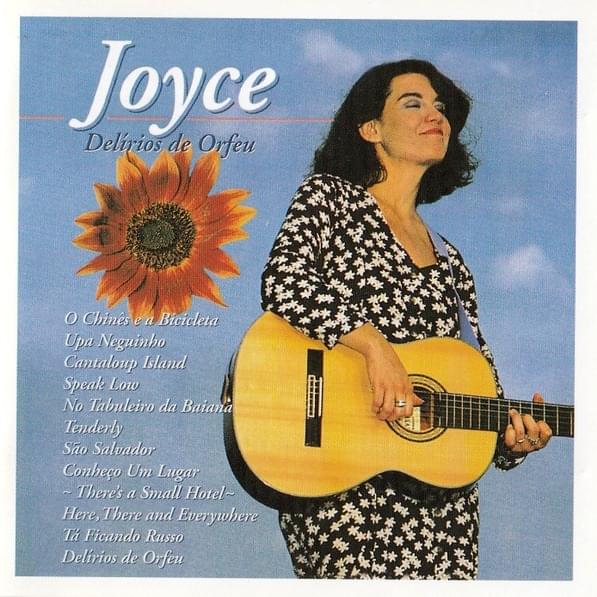
 View Artist