Song Meaning
These lyrics open on a vivid memory: a 14-year-old standing before their father. The father presents a clear, ambitious path, offering choices like "filosofia, medicina ou engenharia." The expectation is stark: "Tinha eu que ser doutor." It's a moment of youthful aspiration meeting paternal decree.
The central tension quickly emerges as the narrator reveals their own quiet ambition. While the father envisioned a life of academic prestige, the child's "inspiração" was simply "ter um violão" and becoming a "sambista." This creates a poignant contrast between the practical, esteemed professions and the seemingly less tangible, artistic dream.
The father's response cuts deep, dismissing the artistic path with a blunt assessment: "Sambista não tem valor / Nessa terra de doutor." This line doesn't just convey a personal opinion; it reflects a societal hierarchy, where artistic pursuits are deemed less worthy than established, professional careers. The repeated emphasis on "doutor" underscores the weight of this cultural standard.
The true genius of these lyrics lies in their powerful, ambiguous conclusion: "E, seu doutor / O meu pai tinha razão." This final couplet recontextualizes everything that came before. It leaves the listener to ponder whether the narrator ultimately abandoned their dream for a more conventional path, found their artistic path unrewarding, or perhaps achieved success in a way that ironically validated the father's pragmatic warning about "valor."
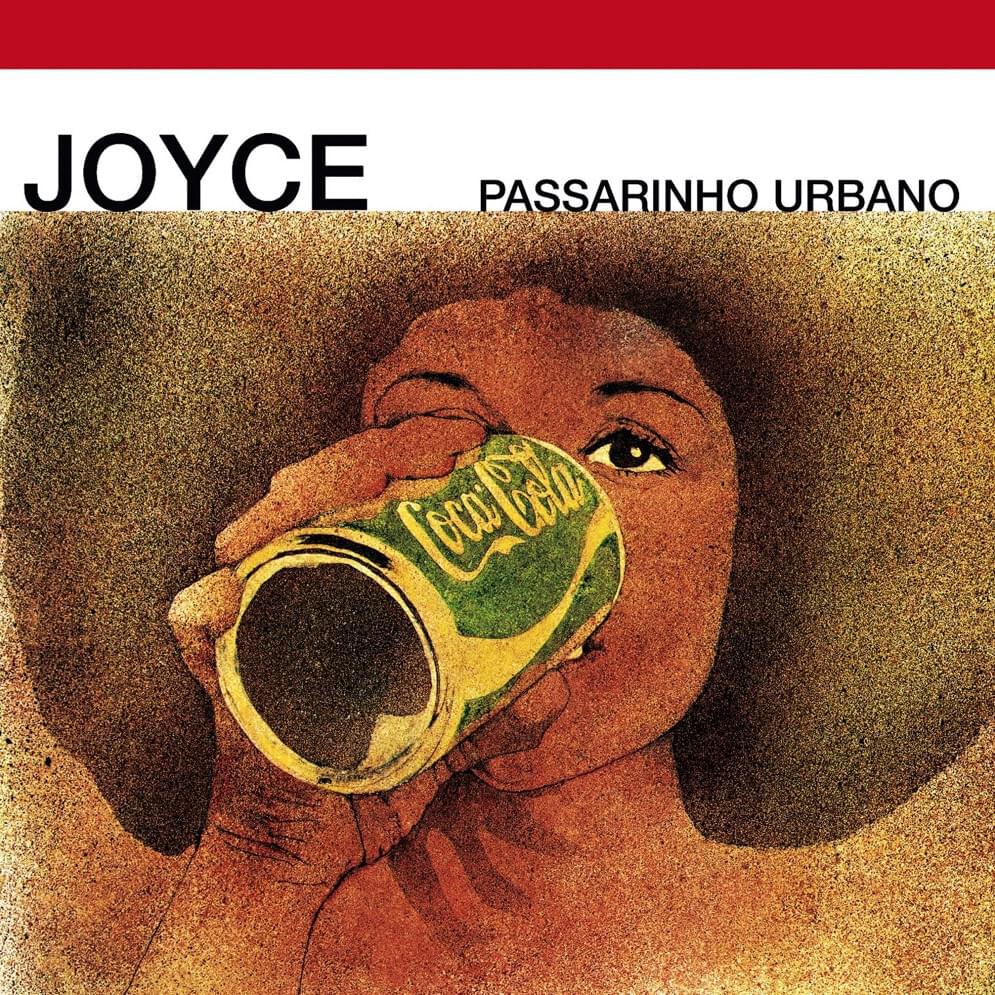
 View Artist