Song Meaning
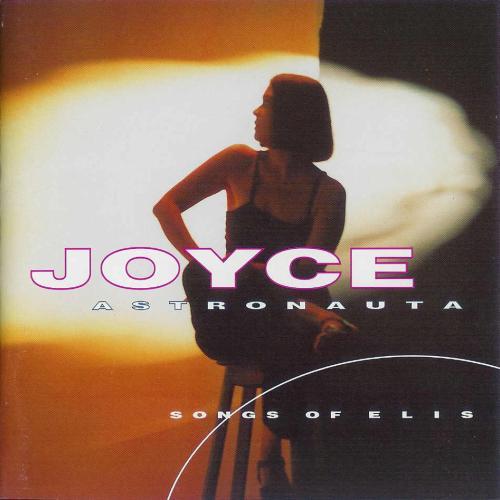
The narrator is a traveling singer, a "cantador," facing an inevitable departure. The opening lines establish a sense of solitary, irreversible movement, a path taken alone. This isn't a choice but a compulsion, driven by the need to sing, as the narrator states, "Cantador, só sei cantar" (Singer, I only know how to sing). The world is the subject of this song, but the narrator's perception colors it with pain.
The core tension lies in the duality of the narrator's art: singing about pain versus singing to overcome death. The lyrics declare, "Canta o mundo que vê / E pro mundo que vi meu canto é dor / Mas é forte pra espantar a morte" (Sings the world he sees / And for the world I saw my song is pain / But it is strong to scare away death). This suggests a profound struggle where the very act of expressing suffering also serves as a defiant force against oblivion, a way to assert existence even when love is lost.
The most striking aspect is the narrator's inability to express grief through tears, lamenting, "Ah! se eu soubesse ao menos chorar" (Ah! if I only knew how to cry at least). This inability highlights the singular outlet available: singing. The repetition of "canto a dor" (I sing the pain) emphasizes this, but it's the specific pain of a "vida perdida sem amor" (a life lost without love) that resonates most deeply. The song becomes a testament to a life unfulfilled, channeled entirely into vocal expression.
This lyrical construction is effective because it grounds an existential plight in the raw, unadorned act of singing. The narrator's identity is inseparable from their song, a constant outpouring of a life marked by loss and an inability to weep. The power comes from this stark portrayal of an artist whose only recourse is to sing their pain, transforming it into a potent, albeit sorrowful, declaration of life.
 View Artist