Song Meaning
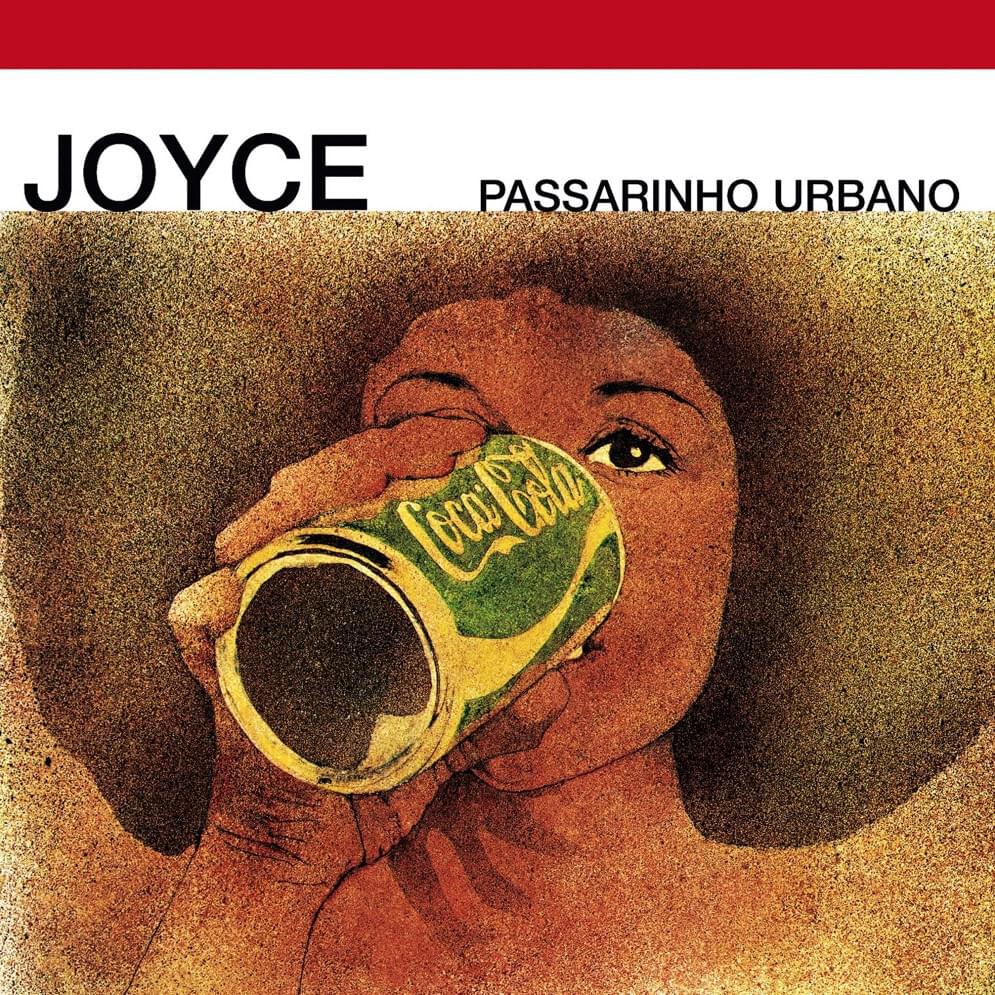
These lyrics paint two vivid, distinct pictures of simple pleasure and profound connection. First, we're transported to the South American seashore, where a "wild one" reaches for a cashew, a moment described as "grande amor." Then, the scene shifts to the bustling energy of Copacabana, where a "very happy girl" drinks Coca-Cola, marking a moment of "puro amor."
The central emotional tension here isn't a conflict, but rather a celebration of love's varied forms. The lyrics juxtapose a primal, natural act—a hand plucking fruit from a tree—with a modern, urban one: a girl enjoying a soda in a famous city. This contrast suggests that "love" isn't confined to grand gestures or specific environments; it's found in both the raw, untamed beauty of nature and the vibrant, everyday joy of city life.
The craft truly shines in the strategic use of repetition and specific word choices. Phrases like "Beira de mar" and "Copacabana" are repeated, grounding us firmly in these distinct locations, while the declarations of "grande amor" and "puro amor" echo, emphasizing the core emotion. The description of Copacabana as "Louca, total e completamente louca" injects an almost frenetic energy, contrasting with the quiet, deliberate action of the "selvagem" by the sea.
Ultimately, these lyrics are effective because they distill complex feelings into accessible, sensory images. They invite the listener to appreciate the small, unadorned moments that fill life with meaning, whether it's the taste of a cashew from a tree or the simple refreshment of a cold drink. The directness of the language and the rhythmic structure make these moments feel immediate and deeply felt, suggesting that love is an ever-present current, flowing through both the wild and the urban landscape.
 View Artist