Song Meaning
This track paints a vivid picture of longing for Havana, not just as a place, but as an experience and a cultural embrace. The narrator is consumed by a desire to connect with the city's spirit, its people, and its rhythm. The repeated pleas of "Havana-me," "Cubana-me," and "Serena-me" function as incantations, drawing the listener into this yearning. It's a deeply sensory invocation, filled with tastes like "cana, tabaco e rum" and "cubalibre, limão e sal," suggesting a rich, intoxicating atmosphere the narrator craves.
The central tension lies in the narrator's persistent feeling of being an outsider looking in, despite a profound sense of connection. Phrases like "Teu par ainda é o Brasil" reveal a complex relationship, acknowledging a separate identity while still deeply intertwined identity. This isn't just about visiting; it's about being fully absorbed, "havana-me de amor num abraço igual," a desire for complete immersion and belonging that transcends mere tourism.
The lyrics masterfully use personification, treating Havana as a lover or a muse. The repeated verbs, "Havana-me," "Cubana-me," "Serena-me," "Irmana-me," "abana-me," are not passive requests but active commands, urging the city to reciprocate the narrator's intense affection. This creates a dynamic interplay, where the narrator is both supplicant and demanding lover, seeking a reciprocal passion. The mention of "Iansã, Iemanja, Oxun" grounds this spiritual longing in Afro-Caribbean heritage, adding a layer of cultural depth to the personal plea.
Ultimately, the effectiveness of these lyrics stems from their raw, uninhibited expression of desire and cultural affinity. The narrator doesn't shy away from the intensity of their feelings, using evocative imagery and direct appeals to convey a powerful sense of homesickness and belonging. It's this blend of sensory detail and emotional vulnerability that makes the plea to be "havana-me" so resonant and compelling.
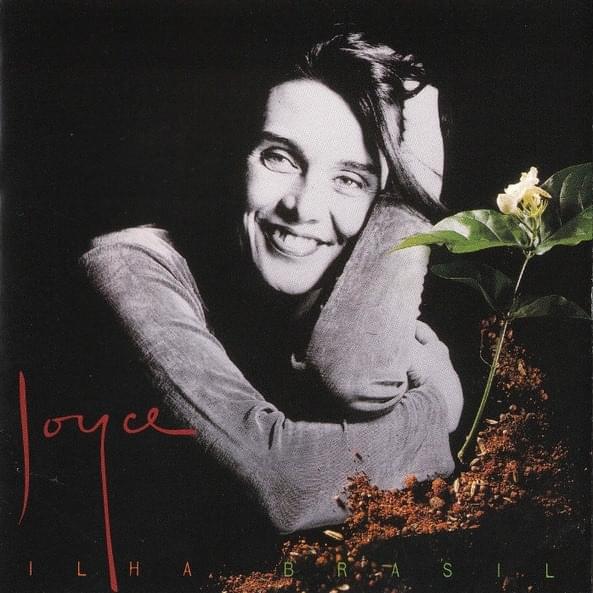
 View Artist