Song Meaning
This track paints a vibrant, almost hallucinatory portrait of Rio de Janeiro, weaving together iconic musical figures and distinct neighborhoods. It opens with a sensory overload, blending "Sons de Noel, tons de Jobim" with "Sonhos de Cartola" and the "jardim com Vinícius de Moraes." The geography itself becomes fluid, with "Vila Isabel em Ipanema" and "Mangueira dá no mar," suggesting a dreamlike fusion of places and eras.
The second verse deepens this immersive experience, introducing "batuques de Sinhô" and "Lupicínias sombras sobre mim." The imagery shifts to a more intense, perhaps darker, sensuality with "negra luz do meu amor" and the urban landscapes colliding: "Copacabana invade o cabaré / E a Lapa o mar levou." This suggests a powerful, almost overwhelming force reshaping the city's familiar spaces.
The lyrics then turn inward, addressing the "Cidade" directly with a plea to hide "sinais de lágrimas e cicatriz." The "Vermelhas marés, línguas negras, aflição" evoke a profound sense of suffering and "tempos sem perdão." This stark contrast between the earlier joyous, almost mythical cityscape and the present pain highlights a deep-seated melancholy beneath the surface.
Ultimately, the song finds redemption and rebirth through its artistic legacy. The narrator asserts that "Os teus poetas vão voltar, te povoar mais uma vez," blessed by figures like "Pixinguinha" and "Villa-Lobos." The final lines, "Do invisível renasceu pelos delírios de Orfeu," powerfully suggest that the city's enduring spirit and creative magic emerge from a profound, almost mythical, artistic vision, a "delirium" that brings beauty from the unseen.
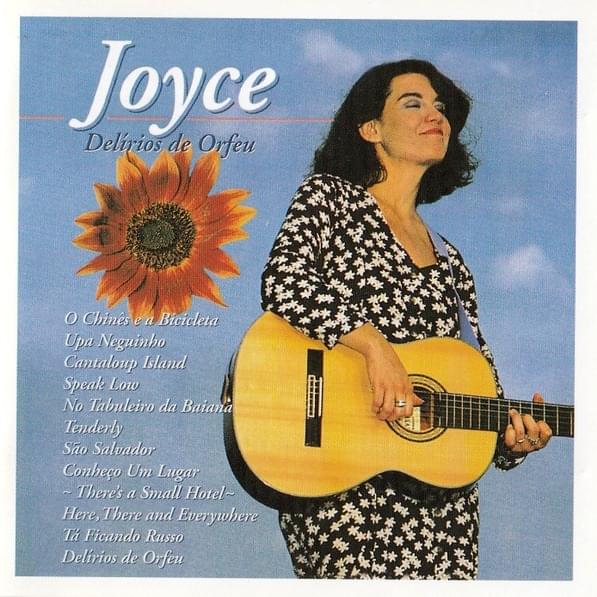
 View Artist