Song Meaning
The lyrics paint a vivid picture of a man defined by stark contradictions. He's someone who proposes marriage and then casually "rola e se deita" (rolls and lies down), blurring lines between commitment and fleeting intimacy. This figure courts the speaker when he shouldn't, yet abandons her when she desires his presence. It's a relationship built on a frustrating push-pull.
The emotional tension deepens as the speaker describes his deceptive charm. He "finge que entende" (pretends to understand) without truly listening, creating a superficial connection. This man claims to adore and want only the speaker, yet simultaneously desires her to be just one more, revealing a profound internal conflict or a calculated inconsistency that leaves the speaker in a state of emotional limbo.
The craft here hinges on relentless juxtaposition, with nearly every line presenting an opposing idea. Phrases like "feio e bonito" (ugly and beautiful) and "mais velho e menino" (older and a boy) directly capture his paradoxical nature. The repeated opening, "De quem falo" (Of whom I speak), frames the entire piece as an internal monologue, a persistent attempt by the speaker to reconcile these conflicting facets of a man who is both her best friend and a source of "loucura, besteira" (madness, foolishness).
These lyrics are effective because they don't just state contradictions; they embody the emotional toll of loving someone so inconsistent. The final lines offer a poignant summation, identifying him as "o homem da cor brasileira" – a cultural archetype that encapsulates this passionate, chaotic, and often illogical love. This phrase suggests a deep, almost fated acceptance of the "madness, foolishness that sleeps with me," acknowledging the inherent complexity and perhaps even the allure of such a volatile connection.
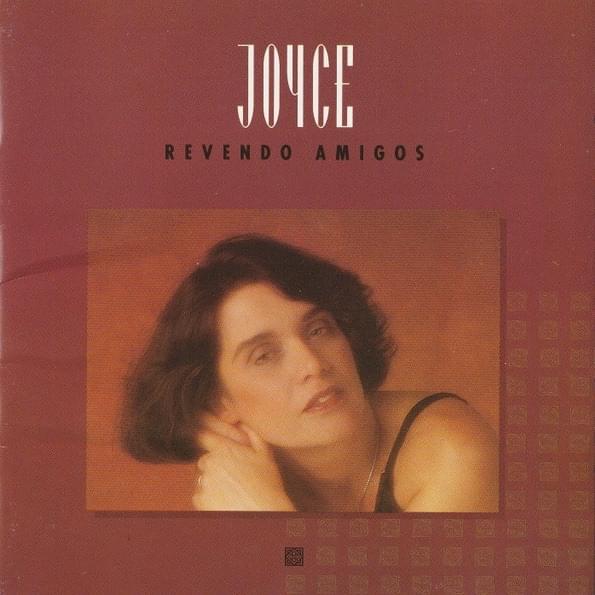
 View Artist