Song Meaning
The lyrics open with a curious, almost evasive repetition around a "Bananeira," or banana tree. The speaker repeatedly claims "não sei" (I don't know) or "sei lá" (who knows), establishing an immediate sense of playful uncertainty. This refusal to define the simple object creates an intriguing, elusive atmosphere from the outset.
This initial detachment isn't just about a banana tree; it quickly becomes a commentary on perception itself. The line "É uma maneira de ver" suggests that the speaker's unknowing isn't ignorance, but a recognition of subjective truth. The ultimate declaration, "Isso é lá com você" (That's up to you), then cleverly shifts the burden of interpretation onto the listener, making the ambiguity a shared experience.
The most striking craft element lies in the poetic transformation of space and sight. What begins as a tangible "Bananeira" and a "fundo do quintal" (backyard) subtly morphs into something far more abstract and intimate. The physical backyard becomes a landscape of perception, culminating in the profound "Olhar do coração" (gaze of the heart). This progression from external, concrete imagery to an internal, emotional landscape is both elegant and deeply evocative.
These lyrics are effective because they invite active participation rather than dictating meaning. The journey from initial ambiguity to a deeply personal, internal vision makes the listener lean in, prompting reflection on how we perceive the world and each other. By transforming a simple object into a metaphor for subjective experience and emotional depth, the lines resonate long after they're heard, making the "banana tree" a vessel for profound introspection.
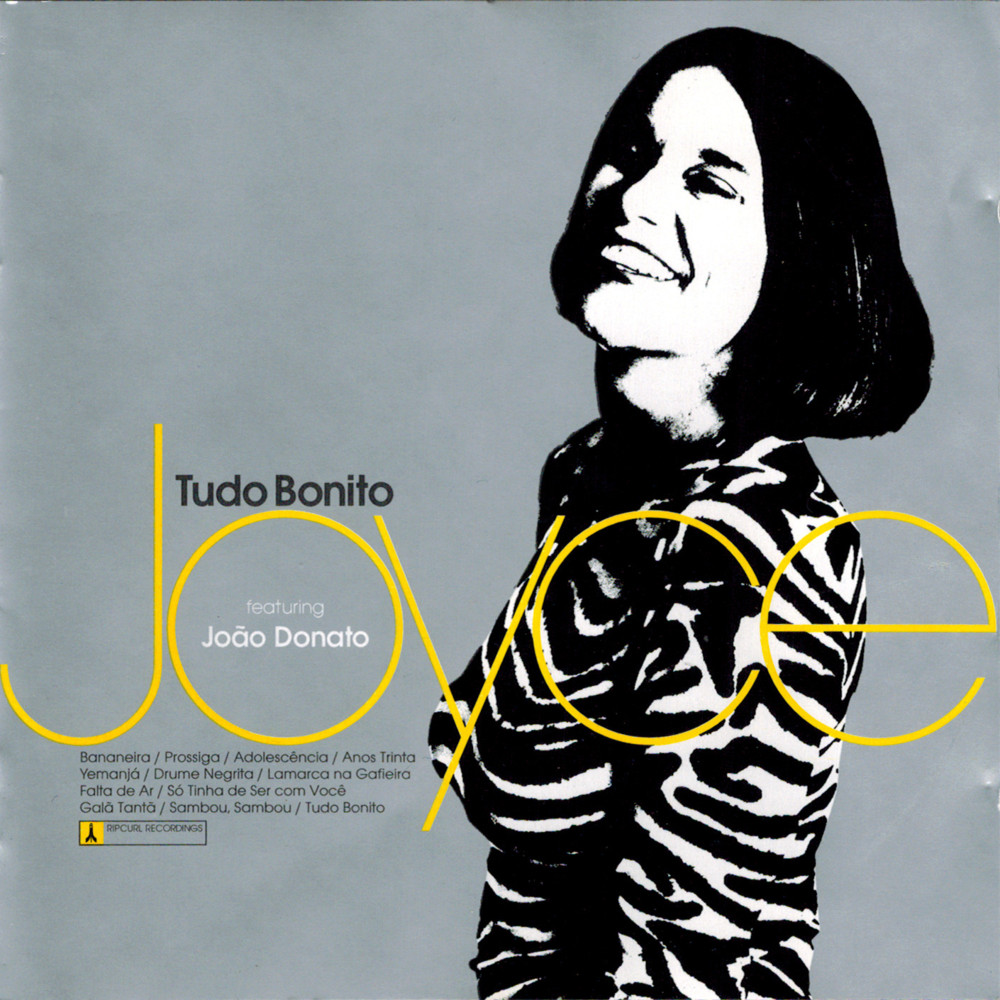
 View Artist