Song Meaning
The lyrics paint a vivid picture of embracing life's uncertainties with a youthful abandon. The repeated "Deixa" (Let) commands set a tone of surrender, urging the listener to stop resisting and simply experience. It’s about letting go of fear and regret, symbolized by the rain and the wind, to fully immerse oneself in the present moment. The core message is that life, at its best, feels like an endless adolescence, a state of perpetual wonder and freedom.
This sentiment is powerfully captured in the contrast between the desire to "sofrer" (suffer) and "negar" (deny) versus the imperative to "viver" (live) and "rolar" (roll with it). The lyrics suggest that clinging to negativity or resistance is a futile act when faced with the natural flow of life. The imagery of letting "esse inverno passar" (this winter pass) implies that difficult times are temporary and should be weathered rather than fought against, reinforcing the idea of patient endurance.
The most striking element is the "peterpanicamente / Sem crescer nunca mais" (peter-panically / Never growing up again) declaration. This isn't just about immaturity; it’s a conscious choice to retain a sense of magic and possibility, to "voa" (fly) and find that "a vida é boa" (life is good). It’s a rejection of the perceived burdens of adulthood in favor of an unburdened, soaring spirit, perfectly encapsulated by the image of flying without ever wanting to land.
Ultimately, the effectiveness of these lyrics lies in their simple, direct call to action and their evocative imagery of freedom. By framing life as a prolonged, joyous adolescence, the song encourages a mindset of uninhibited exploration and resilience. The gentle repetition and the cascade of "Deixa" create a hypnotic, almost meditative quality, inviting the listener to internalize this philosophy of joyful surrender.
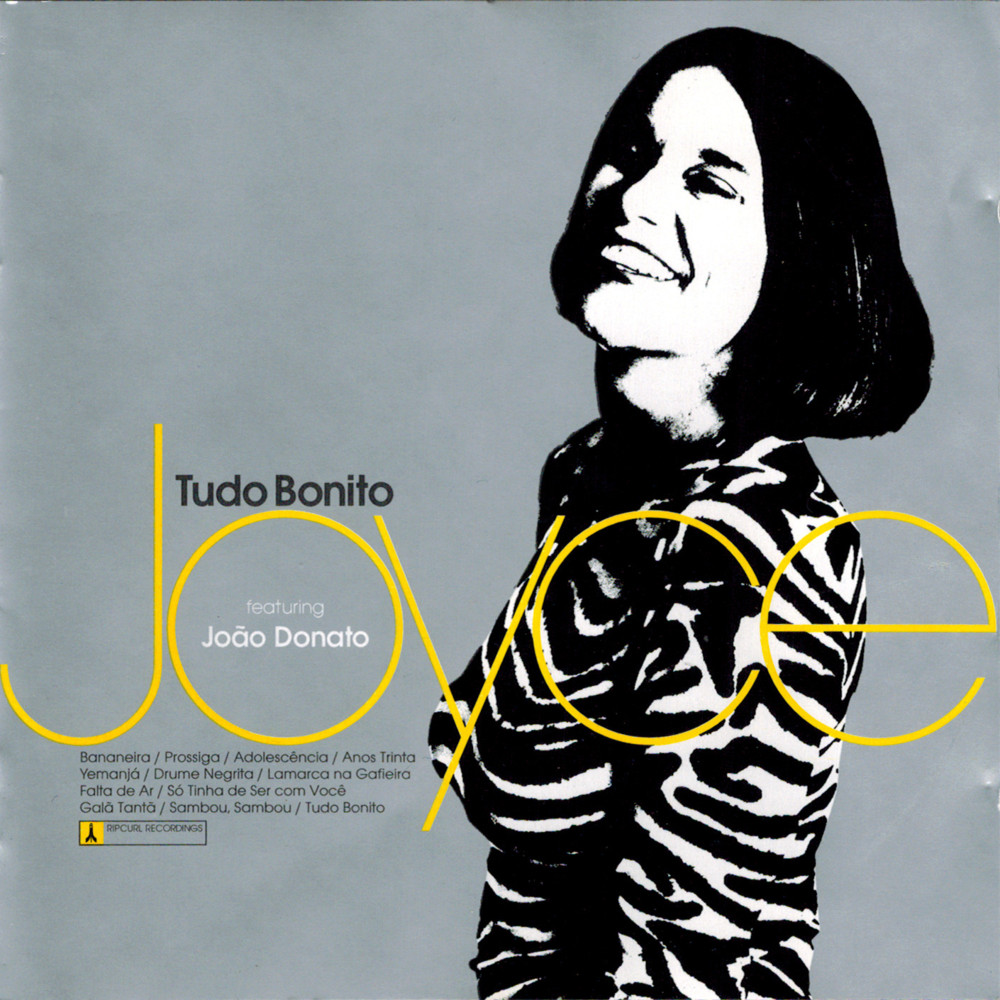
 View Artist