Song Meaning
The lyrics present a stark contrast between the enduring nature of sadness and the fleeting essence of happiness. The opening and closing lines, "Tristeza não tem fim / Felicidade sim" (Sadness has no end / Happiness yes), establish this central tension immediately, framing the entire piece around this fundamental dichotomy. This isn't just a simple statement; it's a philosophical observation that sets the stage for exploring the ephemeral quality of joy.
The song illustrates happiness through a series of poignant, transient images. It's likened to a dewdrop, shining briefly before falling like a tear, and a feather carried by the wind, light but with a short existence. These metaphors emphasize how happiness, while beautiful and bright, is inherently delicate and prone to disappearing. The lyrics suggest that true happiness is a rare and precious thing, easily lost.
A particularly insightful section contrasts the happiness of the poor with the ephemeral joy of Carnival. The narrator observes that for the poor, happiness is a "great illusion," a year-long effort culminating in a brief moment of fantasy – dressing as a king or pirate – only for it all to end on Wednesday. This highlights a cyclical pattern of anticipation and inevitable disappointment, where happiness is a temporary escape rather than a lasting state.
However, the lyrics offer a different perspective on happiness in the final stanza, locating it in the eyes of a loved one. This happiness is described as dreaming, like a night passing in search of dawn, and the narrator pleads for quiet so she can wake up joyfully, offering kisses. This suggests that while happiness can be fleeting, it can also be found in intimate moments, a shared present that holds the promise of a new day, a more personal and perhaps more sustainable form of joy.
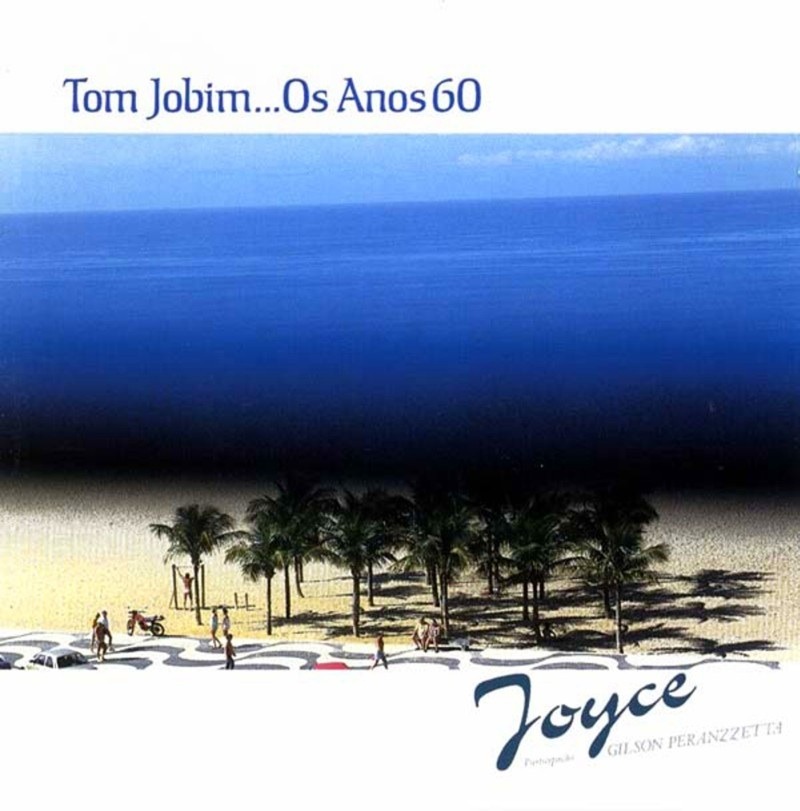
 View Artist