Song Meaning
The lyrics paint a stark picture of a relationship's evolution, or perhaps devolution, over time. Initially, there's a paternalistic "Ron, when we were young / I told you not to cry," suggesting a protective, guiding role. This youthful innocence, however, is contrasted sharply with the present: "Now we're growing old and you're a jerk." The speaker feels betrayed or disappointed by Ron's current state, implying Ron has achieved some form of success or understanding ("You've gone and worked it out") that the speaker resents or finds hollow.
The core tension lies in the speaker's grappling with the passage of time and the perceived failure of their past advice or shared ideals. The repeated phrase "that's when we were young" acts as a refrain, a nostalgic anchor that the present can't quite recapture or reconcile with. This isn't just about aging; it's about the loss of a shared past and the emergence of a disappointing present, where Ron's self-sufficiency is framed as a personal failing, not a triumph. The speaker's own statement, "I've gone and worked it out," echoes Ron's, but its context feels more like a weary resignation than an accomplishment.
The most striking craft element is the subtle shift in address and the implication of a generational divide. The initial address is to "Ron," but later it becomes "Son." This could indicate Ron is now a father himself, or it might be a more metaphorical shift, with the speaker now seeing Ron as a son figure, perhaps someone they failed to guide properly. The line "I told you we would die" carries a heavy, almost fatalistic weight, a grim prophecy that contrasts with the earlier, softer "don't cry." The lyrics suggest a profound sense of regret and a bitter recognition that youthful pronouncements hold little sway over the realities of adulthood and aging.
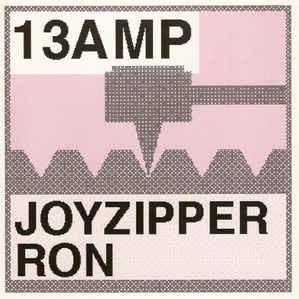
 View Artist