Song Meaning
The lyrics paint a portrait of a grandfather as a "cubist," a figure whose influence is fractured and multifaceted, shaping the narrator's generation. This "cubist" quality suggests a perspective that breaks down traditional forms and perceptions, presenting an "ageless countenance" that stands apart from the fleeting "midst of our times." The grandfather is positioned not just as a family member, but as a "voice among the great icons," implying a profound intellectual or artistic legacy.
The central tension arises from the narrator's identity as a descendant, specifically the "seventh son" and "daughter born to the sons of ideas." This lineage is tied to "ideals" and "ideas," suggesting a family history steeped in intellectual or philosophical pursuits. The narrator feels the impact of this legacy, experiencing the grandfather's "force felt like a wind on my generation," indicating a powerful, pervasive, yet perhaps abstract, influence.
The most striking craft element is the recurring metaphor of the grandfather as a "cubist." This artistic movement is known for deconstructing objects into geometric forms and multiple viewpoints, mirroring how the narrator perceives their grandfather's enduring, yet fragmented, impact. The contrast between the "ageless countenance" and the "midst of our times" further emphasizes this timeless, almost anachronistic, presence. The repetition of "my grandfather, the cubist" anchors this central image, reinforcing the idea of a complex, multi-dimensional legacy.
These lyrics resonate because they capture the feeling of inheriting a significant, yet perhaps hard-to-define, legacy from an influential ancestor. The "cubist" metaphor brilliantly conveys how such figures can be perceived through various, sometimes conflicting, lenses, their influence persisting across generations like a force of nature. The writing effectively translates a complex familial and intellectual inheritance into a vivid, evocative image.
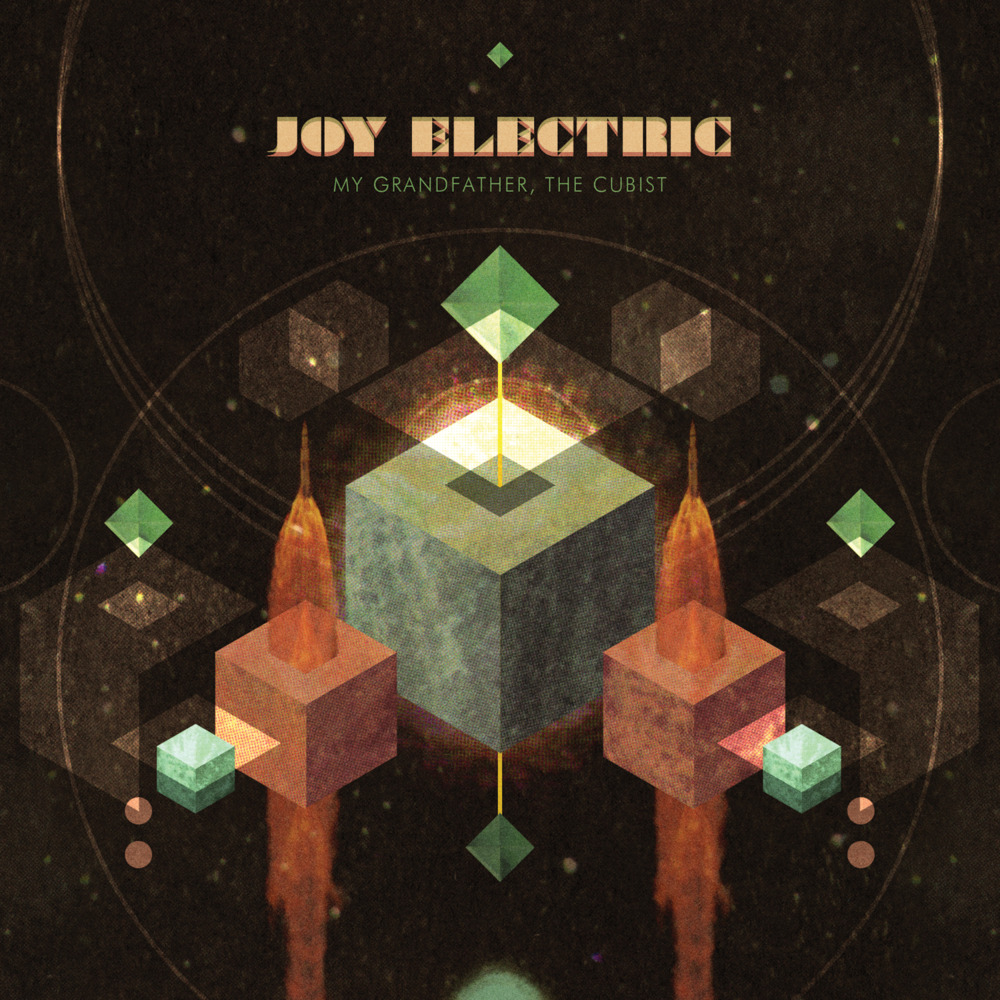
 View Artist