Song Meaning
The narrator paints a picture of perpetual motion and profound emptiness. The opening lines, "I'll be back before I'm gone" and "I've been travelin' for so long," establish a sense of being adrift, caught between departure and return. This feeling is amplified by imagery of vast, desolate landscapes – "mountains," "snow," and the "long ago" – suggesting a journey that has spanned immense distances and perhaps immense time, leaving the speaker detached and disoriented.
The core of the song's emotional weight lies in its stark pronouncements about love and shame. The recurring chorus, "There's a hole in my soul as big as Russia / Or maybe Prussia before the war," uses colossal, historically charged geographical references to quantify an overwhelming void. The narrator explicitly rejects love, stating, "I don't believe in love, but I do believe in shame," a sentiment that is then amplified through a tripartite condemnation: "Shame on you, shame on me, shame on love." This suggests a deep-seated self-loathing and a bitter disillusionment with romantic connection.
The lyrics masterfully employ historical and violent metaphors to convey this inner turmoil. The comparison of love to a "gunfight or a duel" and the chilling image of "the purge of Stalin that never ends" in the final chorus transform abstract emotional pain into concrete, brutal experiences. The shift in the final chorus, from geographical size to an unending, oppressive force, underscores the inescapable nature of the narrator's internal suffering. The repetition of "shame" acts as a relentless drumbeat, hammering home the speaker's moral and emotional bankruptcy.
Ultimately, the song resonates because it articulates a profound sense of loss and betrayal through powerful, almost overwhelming imagery. The narrator's rejection of love and embrace of shame, coupled with the vast, historical scale of their internal void, creates a potent portrait of someone broken by experience. The craft lies in its ability to make the abstract tangible, turning a personal emptiness into a landscape of historical trauma and violent conflict, leaving the listener with a stark understanding of this speaker's desolate state.
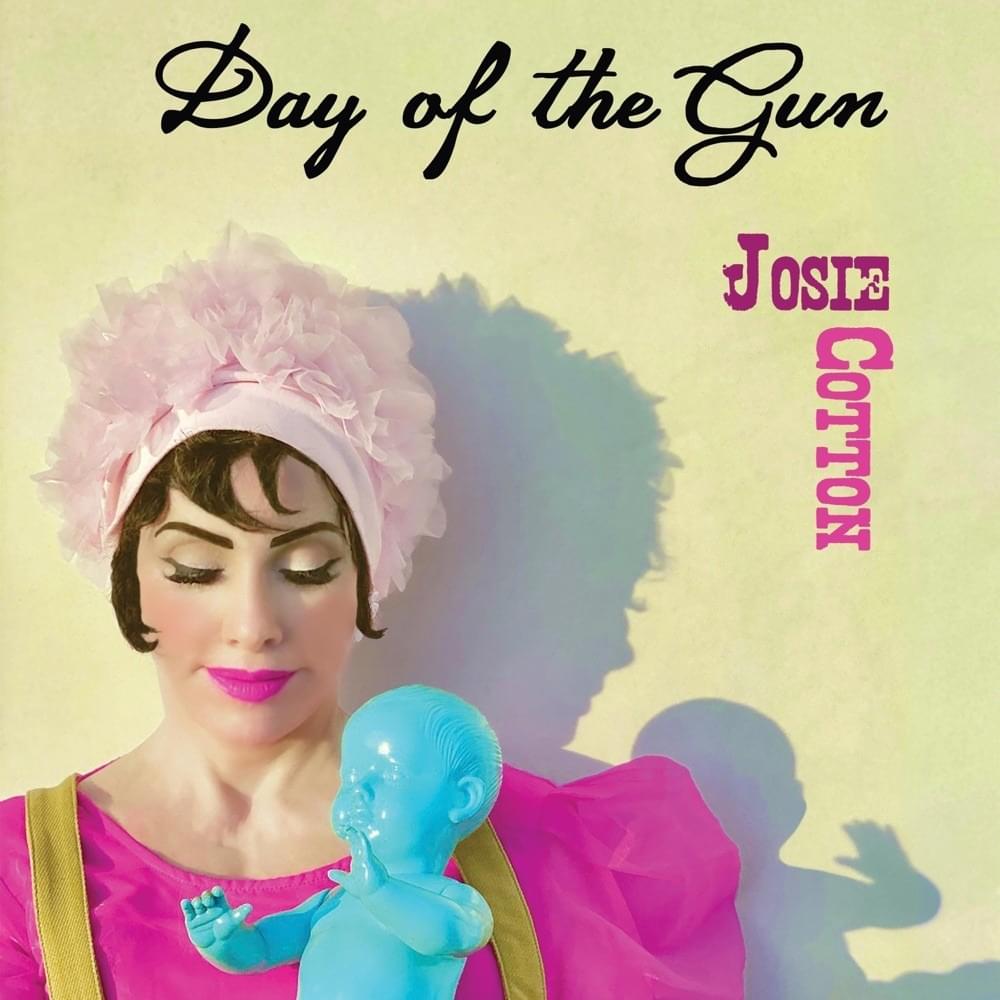
 View Artist