Song Meaning
The lyrics paint a stark picture of a world parched and dying, a literal drought where rivers run dry and flowers wilt. This desolate landscape serves as a powerful metaphor for a life devoid of joy or vitality. The narrator explicitly states, "I know it hasn't rained in ages," establishing a baseline of hardship and stagnation before introducing the transformative power of a specific person. This initial desolation sets the stage for a profound emotional shift.
The central tension arises from the contrast between this external barrenness and the internal flourishing that occurs when the narrator is with their beloved. The repeated phrase "When I'm with you" acts as a powerful incantation, conjuring life-giving elements like rain and sun. This isn't just about feeling good; it's about survival and renewal, suggesting that this person's presence combats a deep-seated sense of loss and emptiness. The lyrics hint at a past trauma, "I lost you once when snow came down," amplifying the significance of this present connection and the fear of its absence.
The most striking craft element is the inversion of natural phenomena. Instead of the environment dictating emotional states, the narrator's feelings dictate the environment. "You make the rain fall" and "I feel the sun" are not passive observations but active creations, highlighting the immense, almost supernatural impact this person has. The line "No one else in the room" further emphasizes this singular focus, creating an intimate bubble where only their connection matters, shutting out the dying world described earlier.
This lyrical construction is effective because it grounds abstract feelings of love and connection in tangible, elemental imagery. The contrast between the dying world and the life-giving presence makes the narrator's devotion feel essential, not just desirable. The repetition of the core phrase reinforces the idea that this person is the sole source of vitality, making the emotional stakes incredibly high and the feeling of being
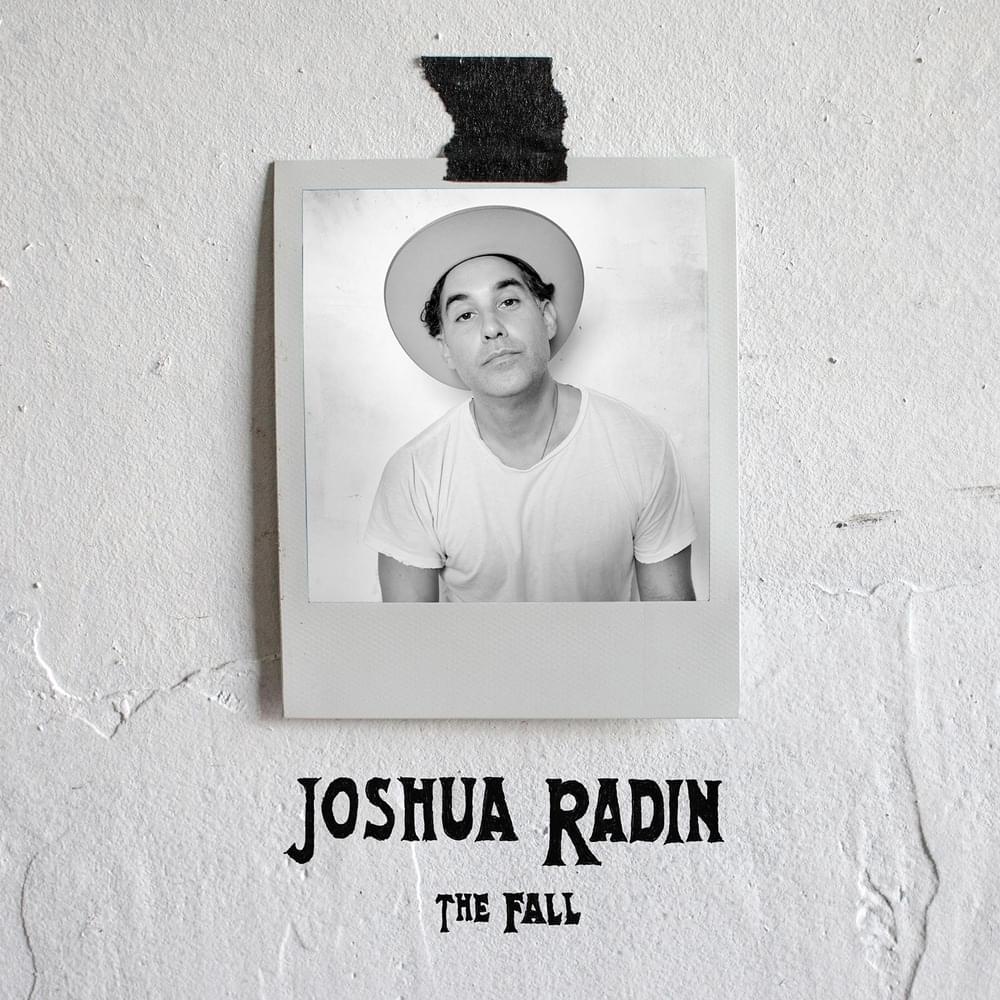
 View Artist