Song Meaning
The lyrics paint a stark picture of isolation and lingering grief. The narrator is left alone, waiting, with time stretching out endlessly and painfully. The initial scene, a simple instruction to 'Wait right here,' becomes a profound metaphor for being stuck in a moment, unable to move forward after someone has 'carried her away.' The dominant tone is one of profound loneliness and an inability to escape the past.
The central tension lies in the narrator's struggle with time and memory. While others offer platitudes like 'Nothing helps but time,' the narrator finds time itself to be a torment, 'replaying over in my mind.' This isn't healing time; it's a slow, agonizing crawl where the past, specifically the memory of a lost person, is inescapable. The desire for rain to 'wash away your face' highlights the painful persistence of this memory, a constant, unwelcome presence.
The most striking element is the visceral, almost physical manifestation of grief. The narrator 'crawls underneath my blanket / Where I can hide away,' a childlike attempt to escape an unbearable reality. This physical retreat underscores the emotional paralysis. The repetition of 'I can't stop / Seeing your face / Everyplace' isn't just a statement of memory; it's an active haunting, a sensory overload that prevents any semblance of peace or normalcy. The simple phrase 'It's just one of those days' becomes a profound understatement for a state of being consumed by loss.
These lyrics hit hard because they capture the suffocating nature of grief when it feels absolute. The contrast between the external world's suggestion of healing ('Nothing helps but time') and the narrator's internal reality of being trapped in a loop of painful memory is deeply effective. The writing grounds abstract pain in concrete actions like hiding under a blanket and the overwhelming sensory experience of seeing a lost face everywhere, making the isolation feel palpable and raw.
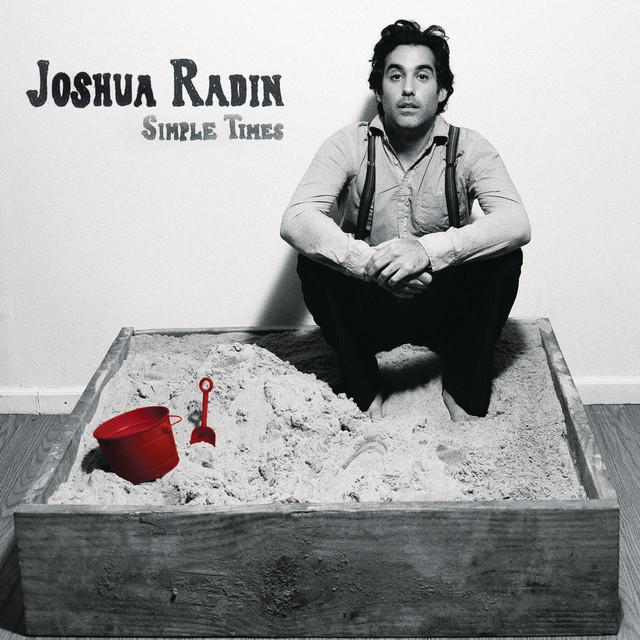
 View Artist