Song Meaning
A laborer toils endlessly under the "blazin' sun," yet finds their efforts yield no financial relief. The opening verses immediately establish a stark reality of relentless work and profound economic struggle. There's a palpable weariness that permeates every line.
The core tension here lies in the profound disconnect between immense physical effort and a complete lack of reward. The narrator works "all the week in the blazin' sun," only to find they "Can't buy my shoes" when payday arrives. This isn't just about low wages; it's about a fundamental injustice where hard labor doesn't even cover basic necessities, creating a deep sense of powerlessness.
The lyrics powerfully articulate systemic oppression through striking imagery and parallel construction. The narrator declares, "I ain't treated no better than a mountain goat," a raw, dehumanizing simile that cuts deep. This feeling of being reduced to an animal is immediately followed by a chilling description of how economic exploitation and political disenfranchisement work hand-in-hand, with the boss taking the harvest and a poll tax stripping away the right to vote. This pairing masterfully illustrates a system designed to strip the individual of both livelihood and agency.
What makes these lyrics so effective is their relentless, blues-inflected repetition, which builds a hypnotic sense of grievance before pivoting to a clear resolution. Each verse reiterates the core complaint, amplifying the feeling of injustice until the final verse offers a decisive shift: "I'm leavin' here 'cause I just can't stay." This declaration, driven by the simple desire for better compensation, transforms the lament into a powerful statement of self-determination, offering a cathartic release and a glimmer of hope for escape from an untenable situation.
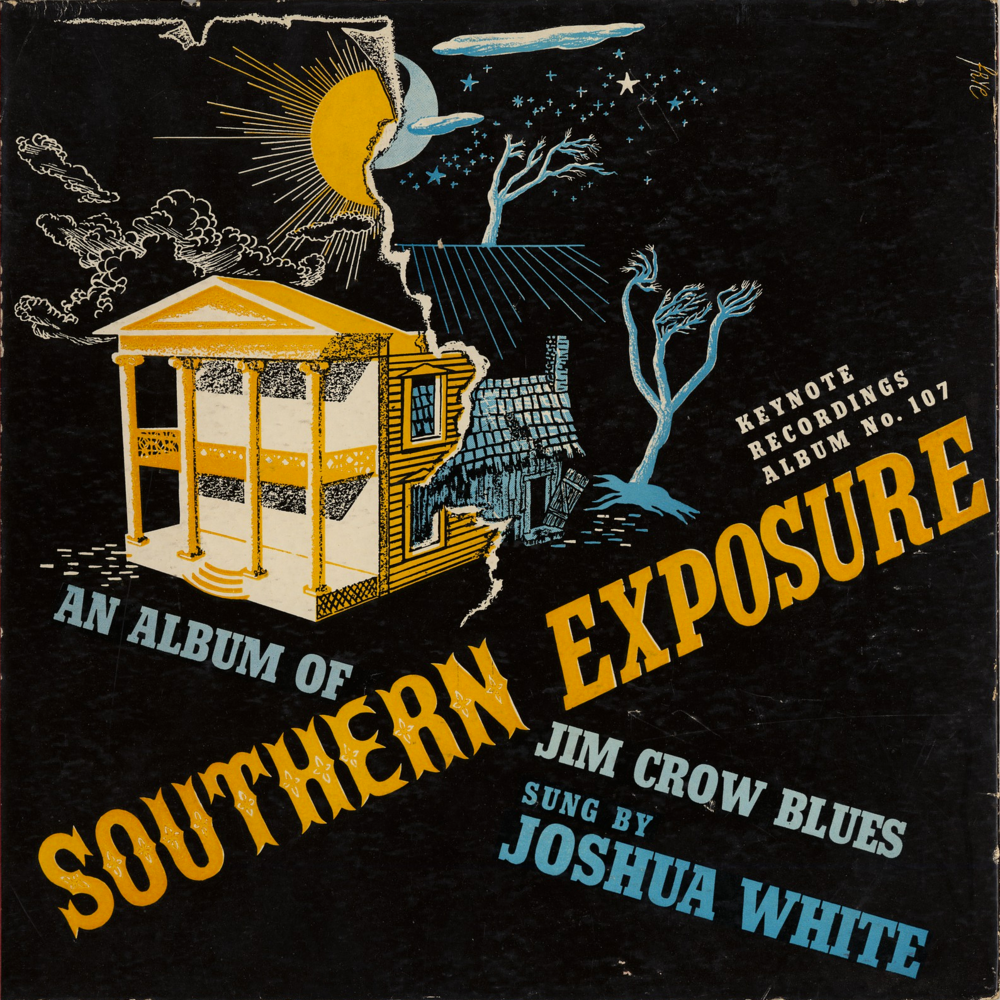
 View Artist