Song Meaning
This track paints a picture of a specific, isolated community, the "trailerhood," where a sense of languid inaction and simple pleasures prevails. The opening lines establish a place where "nothing getting done" is the norm, punctuated by "blue-collar rednecks feeling fine" and the consumption of "year old shine." It's a setting defined by its remoteness, "a mile off o' Thirty One," and a pervasive, almost defiant, contentment with the status quo, regardless of its perceived shortcomings.
The central tension arises from the contrast between the community's outward appearance and the underlying personal dramas. While the refrain insists "You can be yourself in the trailerhood," the verses reveal a more complex reality. We see instances of neglect, like Danny Ray's potential disappearance, and domestic strife, as Darlene's boyfriend's departure suggests. These glimpses hint at underlying issues beneath the surface of "feeling good," creating a subtle friction between the idealized self-expression and the messy lives being lived.
The lyrics employ a deliberate, almost folksy, repetition to emphasize the community's identity and its perceived lack of conventional responsibility. The phrase "Way down yonder in the trailerhood" acts as a recurring anchor, grounding the listener in this specific locale. The chorus's blunt assertion, "Ain't nobody doing what they should," is delivered not as a judgment, but as a matter-of-fact observation, highlighting a shared understanding and acceptance of this way of life. This acceptance is key to the "trailerhood's" appeal, offering a space where authenticity, however unconventional, is paramount.
Ultimately, the effectiveness of these lyrics lies in their unvarnished portrayal of a distinct subculture. By focusing on specific, grounded details – the "one-man boat," the "luggage is loaded in the truck," the "single wide party box" – the song creates a vivid sense of place. The narrator doesn't condemn or overly romanticize; instead, they present a snapshot of a community where personal freedom and a rejection of societal expectations are the defining characteristics, making the "trailerhood" a place of both simple joys and quiet desperation.
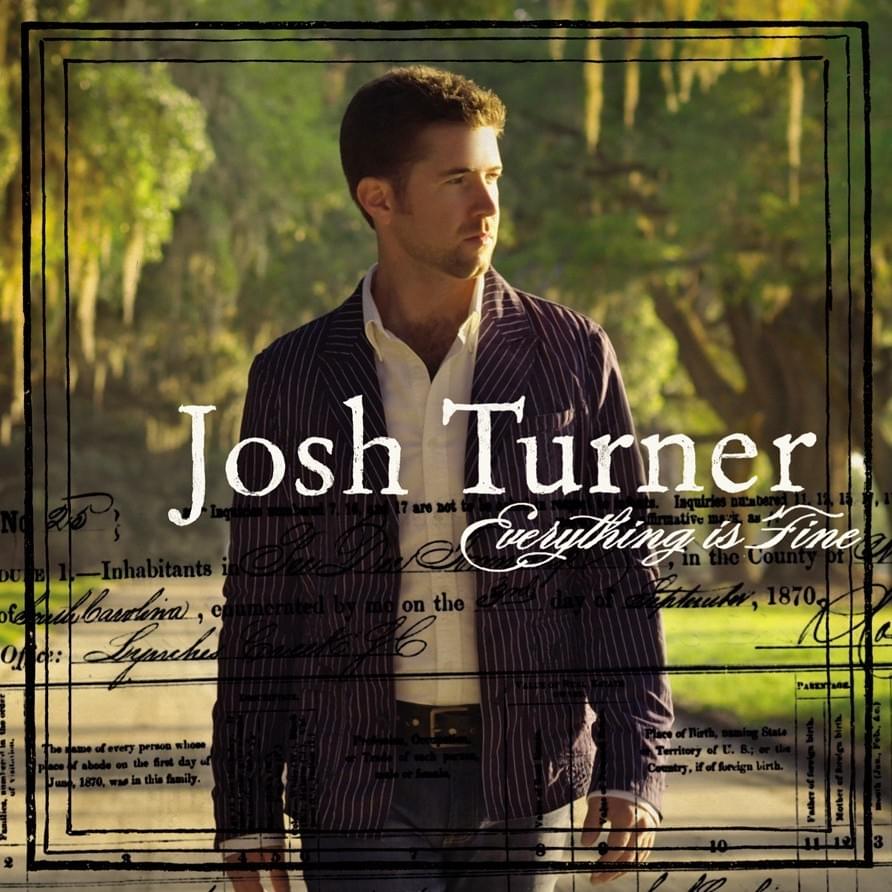
 View Artist