Song Meaning
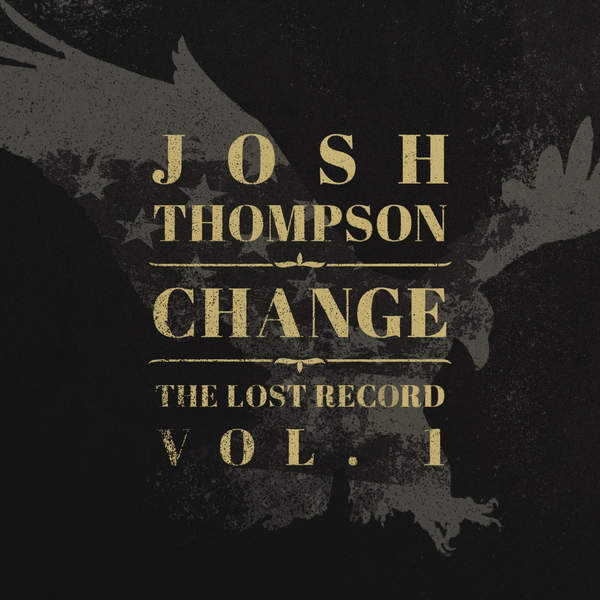
Josh Thompson's "Change" doesn't just observe the cyclical nature of life; it dissects the inherent hypocrisy baked into the human experience. It's a wry, almost cynical, take on the way we age, judge, and ultimately become the very thing we once scorned. Thompson isn't offering some profound revelation, but rather holding up a mirror to our own predictable patterns. The beauty, if you can call it that, lies in the shared absurdity. That 'Oh, ain't it kinda sad / But oh, don't it make you laugh' refrain isn't just a catchy hook; it's the thesis statement. It's the acknowledgement that we're all trapped in this repeating loop of judgment and experience.
Take the opening verse, a seemingly simple observation about rock and roll. It's not just about music; it's about the generational hand-me-downs of disapproval. The 'young kid' eventually morphs into the 'old man,' proving that rebellion, no matter how fervent, eventually calcifies into tradition. This is further amplified in the verse about the 'young girl' and the 'old ladies.' Thompson deftly exposes the selective amnesia we employ to conveniently forget our own past transgressions. The skirt length becomes a symbol of societal judgment, highlighting the frustrating repetition of moral policing.
Ultimately, “Change” isn’t about grand transformations or radical shifts in perspective. It's about the subtle, almost imperceptible ways we become complicit in the very systems we once fought against. The final verse, touching on life and death, underscores the inevitability of this cycle. The 'old soul' and the 'newborn baby' represent the beginning and end, but the 'hands of time' suggest that the journey in between is often a repetition of familiar patterns. Thompson’s song meaning, therefore, is a bittersweet pill – a reminder that change, in its truest form, might be less about linear progression and more about the unchanging human condition.
 View Artist