Song Meaning
Josh Thompson's "A Little Memory" isn't just another country heartbreak anthem; it's a study in delayed consequences and the agonizingly slow burn of regret. The opening lines paint a picture of newfound sobriety, not necessarily from substance abuse, but from a toxic pattern of behavior. Thompson sings of sunlight no longer hurting his eyes and trouble being avoided, suggesting a past filled with self-destructive choices. It's the brutal honesty – "Lookin' in the mirror don't hurt so bad" – that hints at the depth of his former darkness and the catalyst for change: his lover's departure. The core song meaning lies in the power of absence. It's a recognition that sometimes, the most profound lessons are learned not through grand gestures or dramatic confrontations, but through the quiet echo of a closing door.
The chorus becomes the crux of this realization. The lingering sound of "goodbye" and the visual of "that dust cloud from the Goodyears going" are not cinematic flourishes; they're the persistent reminders of what was lost. The genius here is in the understatement: "Guess you left just enough of you behind to wake me up / For good this time." It acknowledges the ex-lover's impact without resorting to sentimental pleas. She didn't need to stay and nag; her absence, the "little memory," served as the ultimate wake-up call. The second verse delves into the futile attempts to escape this newfound awareness. Long drives and neon lights – classic country tropes – become symbols of avoidance, highlighting the emptiness that now pervades his existence. The line "I'm a dollar short and a day late / Of maybe ever getting you back one day" is particularly poignant, capturing the crushing weight of missed opportunities.
The bridge, though brief, is the emotional climax. "I die inside every time I relive it / I make my bed and now I'm lying here in it" is a stark admission of responsibility and a lament for the present. The repetition of the chorus reinforces the central theme: a small act of leaving can trigger a monumental shift in perspective. Ultimately, "A Little Memory" explores the psychological impact of loss and the transformative power of regret. It's a testament to the idea that sometimes, the most significant changes come not from grand interventions, but from the subtle, lingering reminders of what we've lost.
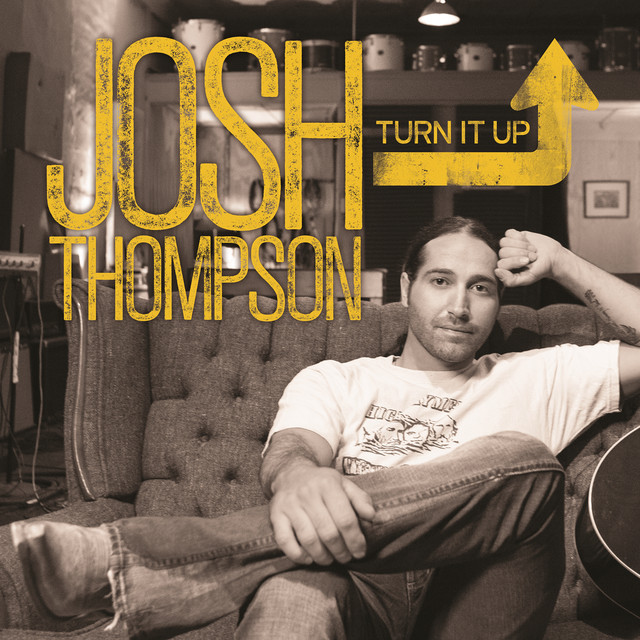
 View Artist