Song Meaning
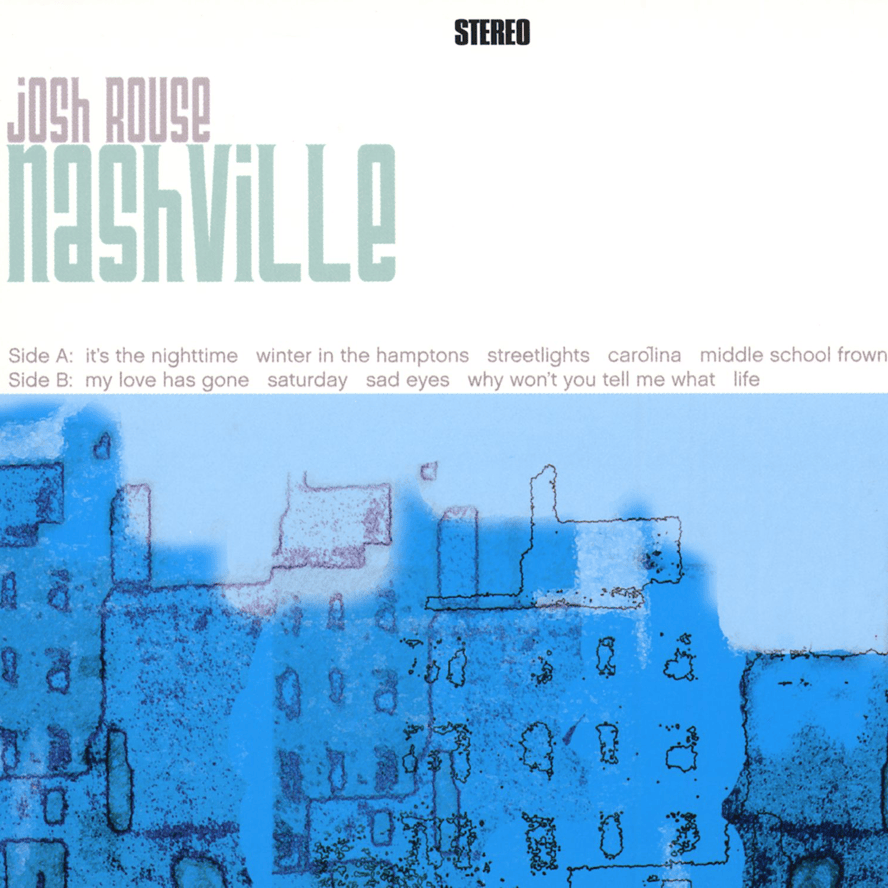
The lyrics paint a picture of restless ennui, a feeling of being stuck in a place and time that no longer serves the narrator. The opening lines establish a sense of aimless routine, singing "our songs with our soul" but immediately questioning their belonging as "the winter has gone." This suggests a transition period where the old comforts have faded, leaving a void. The Friday night scene in the Hamptons, characterized by being "uptight" and getting "stoned" because "it is too cold," highlights a superficial attempt at enjoyment that feels forced and uncomfortable, amplifying the sense of having "stayed too long."
The core tension lies in the narrator's dissatisfaction with their current circumstances and a yearning for something more, contrasted with a lack of clear direction or agency. Spring's arrival, meant to signify renewal, is met with a cynical "so well dressed" and a warning about "rain clouds," implying that even change might bring its own set of problems. The observation that "Americans seem such a bore" and the feeling of being "embarrassed and still we are hanging on" points to a broader disillusionment, perhaps with societal norms or personal stagnation. This feeling of being trapped is reiterated with the desire to "fly, take a trip, see the Euro sites," only to be met with the reality that "Our money is gone," further cementing the cycle of wanting escape but lacking the means.
The most striking element is the recurring phrase "We have stayed too long," acting as a refrain that underscores the central theme of stagnation and the urgent, yet unfulfilled, desire for departure. This repetition hammers home the feeling of being out of sync with their environment, whether it's the season or a broader life situation. The lyrics also cleverly juxtapose the superficiality of being "so well dressed" with a deep-seated discontent, suggesting a disconnect between outward appearance and inner turmoil. The final lines, blaming "the government, they're all liars," add a layer of external frustration to this internal malaise, but the immediate follow-up, "So put on your hat because the forecast is rain clouds," brings the focus back to an inescapable, perhaps self-imposed, gloom.
Ultimately, the effectiveness of these lyrics lies in their raw portrayal of a specific kind of modern dissatisfaction. It's not about grand tragedy, but the quiet, gnawing feeling of being stuck, of wanting to move on but being held back by inertia, lack of funds, or a general sense of existential boredom. The simple, almost childlike "Bah, dah dot dah" interludes serve as a stark contrast to the lyrical content, perhaps representing a forced attempt at levity or a subconscious acknowledgment of the nonsensical nature of their predicament, making the underlying frustration hit even harder.
 View Artist