Song Meaning
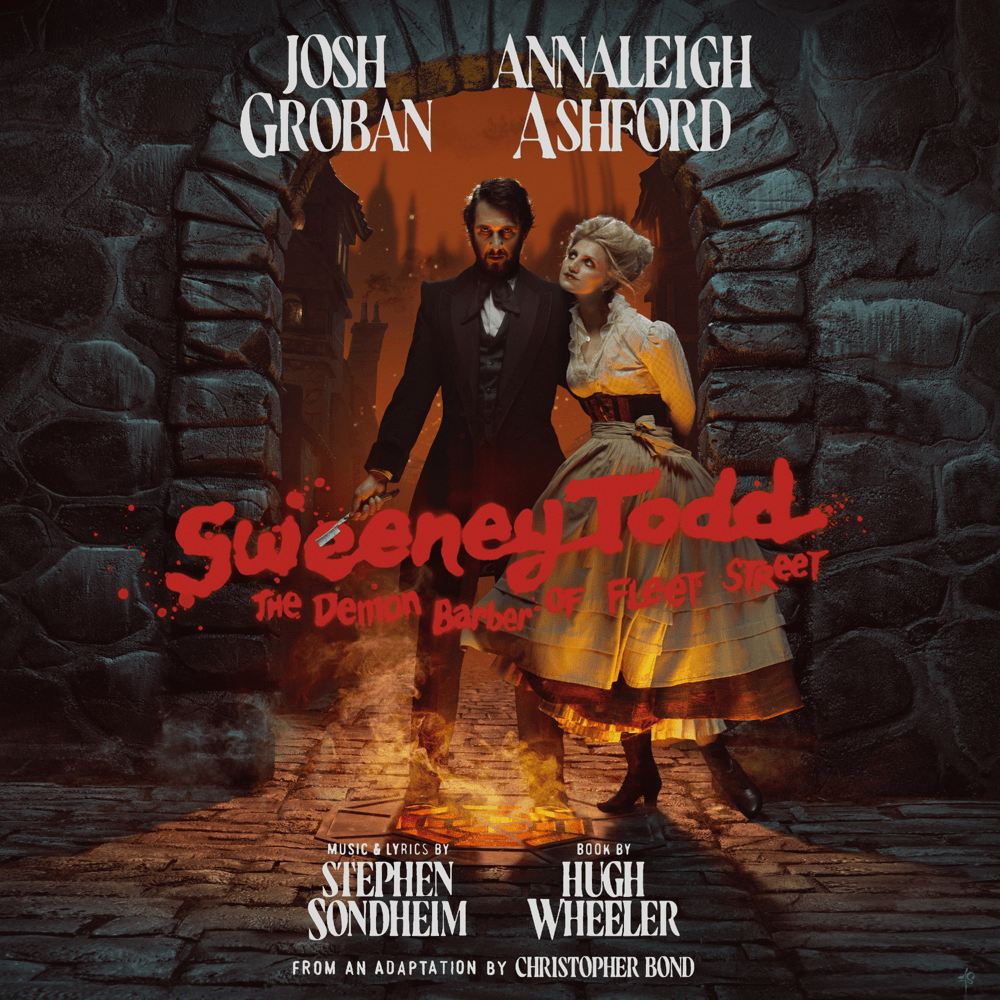
Stephen Sondheim's "Parlor Song" isn't a standalone track as much as a fleeting, darkly comic interlude, a theatrical wink to the audience. The lyrics, seemingly a simple, repetitive ballad about romantic woe, quickly unravel into something far more unsettling. The 'sweet Polly Plunkett' of the opening lines is a caricature of lovesick innocence, but the narrative soon curdles as her affections become entangled in a web of unrequited and shifting desires. It's not just that her beloved has another; it's that the chain of affection extends further, blurring the lines of conventional romance.
The song's brilliance lies in its concision. Sondheim distills the complexities of human relationships – the messy, often painful realities of desire and rejection – into a few short verses. The seemingly nonsensical refrain, "'Tis a row dow diddle dow day/ 'Tis a row dow diddle dow dee..." acts as a mocking counterpoint to Polly's lament, a flippant dismissal of her emotional turmoil. It highlights the absurdity of clinging to idealized notions of love in a world where hearts are fickle and affections are rarely reciprocated in a straightforward manner. The use of 'alas' further satirizes the melodramatic, emphasizing the character's self-pity.
Ultimately, "Parlor Song" is a miniature masterpiece of cynicism, a sardonic commentary on the human condition. It's a reminder that love, often portrayed as a source of joy and fulfillment, can also be a breeding ground for disappointment, confusion, and a whole lot of existential silliness. Sondheim, with his trademark wit and lyrical dexterity, exposes the underbelly of romantic sentimentality, leaving us to ponder the tangled mess of human connection with a knowing, slightly uncomfortable smile. The song meaning becomes clear upon recognizing the tragicomic reality: that love is less a straight line and more a convoluted, and often ridiculous, knot.
 View Artist