Song Meaning
The lyrics paint a picture of profound helplessness, a feeling of being on the outside looking in at a world where something vital is happening, but it's just out of reach. The opening lines, "Something's burning but I can't reach it," and "Someone's hurting but I can't fix it," establish a tone of frustrated inaction. The narrator feels a disconnect, like a "phantom limb on fire," experiencing the sensation of pain or urgency without the ability to act or even fully comprehend the source. This sense of powerlessness is compounded by the inability to even "know how to try," highlighting a deep-seated paralysis.
The central tension arises from the overwhelming presence of "love is flowing," repeated incessantly, juxtaposed with the narrator's inability to participate. This isn't a celebration of love's abundance; it's a lament of exclusion. The repeated phrase becomes almost a taunt, emphasizing what the narrator desires but cannot attain. The second verse introduces a sense of cynical manipulation, with "someone's writing the end of the story" and "highest bidder wins," suggesting that the very systems meant to facilitate connection or value are corrupted, further blocking access to this flowing love.
The most striking aspect of the craft is the relentless repetition of "Love is flowing." It functions less as a statement of fact and more as an incantation or a desperate affirmation that the narrator clings to, even as they acknowledge their inability to "get in it." The bridge offers a moment of stark self-awareness: "There's only today / And I'm at a loss for something to say." This admission of speechlessness and the inability to "save anyone" underscores the depth of their isolation. The outro, however, shifts slightly, moving from a passive observation to a more active, albeit still uncertain, recognition: "But I know love is flowing." This suggests a flicker of hope, a belief in the existence of this flow, even if the means to join it remain elusive.
Ultimately, the effectiveness of these lyrics lies in their raw portrayal of yearning and exclusion. The contrast between the overwhelming, almost abstract concept of flowing love and the narrator's concrete inability to access it creates a powerful emotional resonance. The writing doesn't offer easy answers or solutions; instead, it captures the painful experience of witnessing something beautiful and essential from a distance, leaving the listener with a profound sense of empathy for this state of being "at a loss."
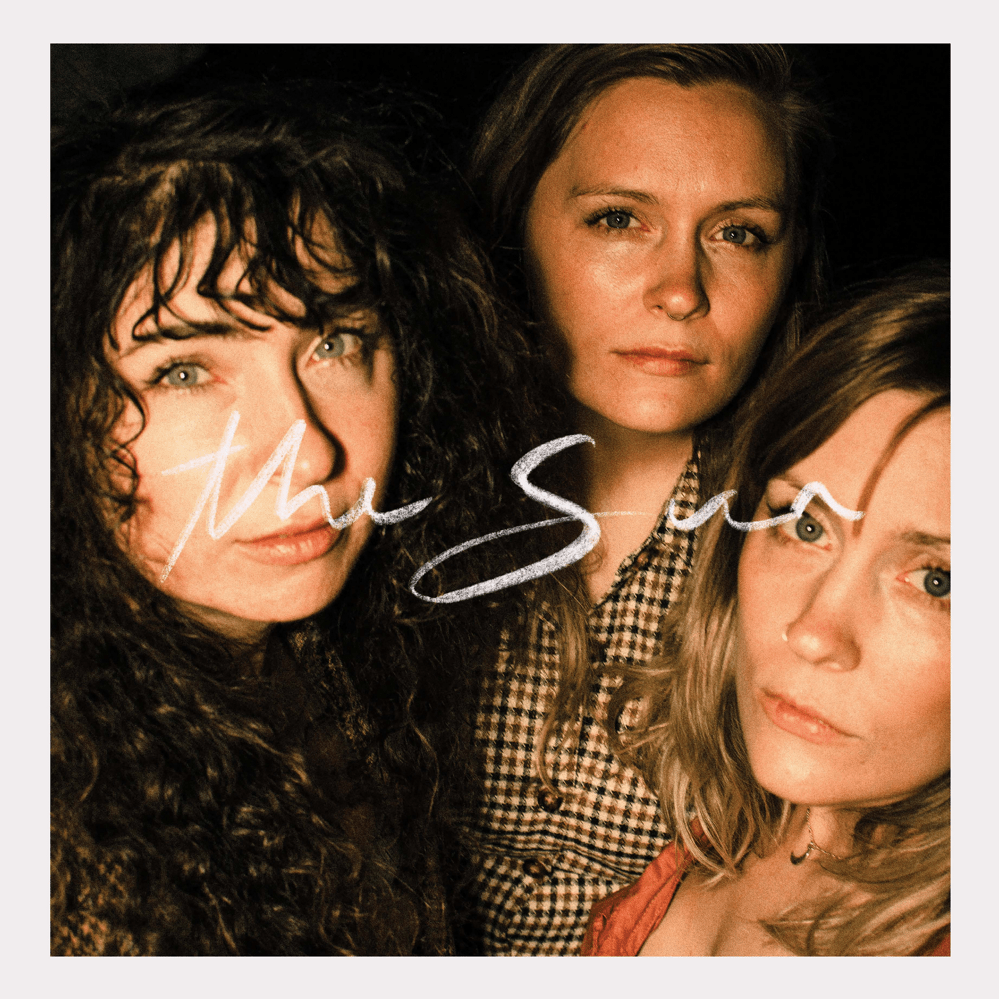
 View Artist