Song Meaning
Joseph Williams's "One More Chance" is an elegantly desperate plea carved from the wreckage of a relationship teetering on the brink. The song's power lies not in bombastic theatrics, but in its raw, almost plaintive simplicity. The opening lines immediately establish a breach of trust: "Now I can see the lie / Written on your face and only for my eyes." This isn't some vague sense of unease; it's a concrete betrayal, witnessed and internalized. The question then becomes whether the damage is irreparable, whether they've "gone too far / For a rescue of the heart to carry on."
The chorus, a repetitive mantra of hope and desperation, is the song's core. The phrase "One more chance" is repeated like a prayer, acknowledging both the fragility and the potential of their connection. It's not just about salvaging what's been lost, but about recognizing the limited opportunities life offers: "One more chance, it's all we get / To make it last." There's a sense of urgency, a quiet understanding that this might be the final opportunity to course-correct. The repetition itself mirrors the internal bargaining that often occurs in such situations, a desperate attempt to convince both the other person and oneself that redemption is still possible.
Beyond the plea for reconciliation, there's a subtle undercurrent of self-awareness. The lines "Soft are the arms of pain / You will never know the difference if I don't say" suggest a willingness to shoulder the burden, to protect the other person from the full weight of their actions. This isn't blind devotion, but a conscious choice to prioritize the relationship's survival, even at personal cost. The promise "If you let me, I'll never do you harm" is a reciprocal vow, a commitment to rebuilding trust and avoiding the mistakes of the past. In essence, "One More Chance" becomes an exploration of the delicate balance between forgiveness, self-preservation, and the enduring human need for connection.
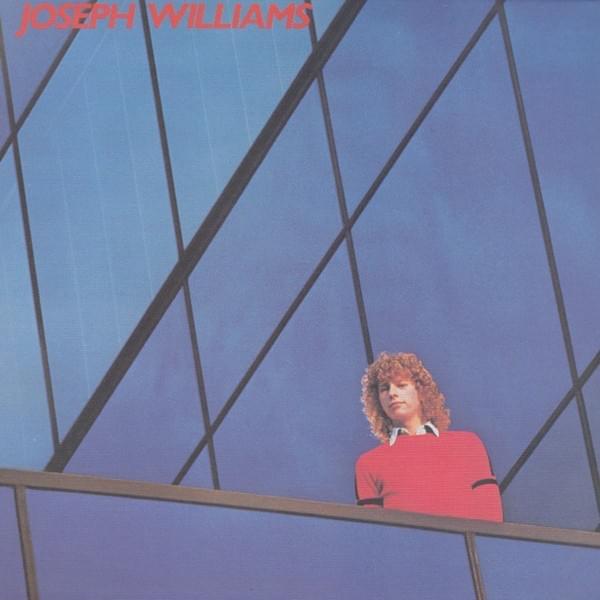
 View Artist