Song Meaning
This song frames personal narrative as a creative act, one that can be edited and improved. The initial version of the narrator's "story" wasn't ideal, prompting a deliberate "revision" that incorporated "glory." This suggests a conscious effort to shape a more triumphant or impressive account of their experiences, moving beyond a less-than-perfect first attempt.
The lyrics then introduce external conflict, with "doubters and haters" attempting to hijack the narrator's "tale." The response is decisive: investing in "erasers" to "take care of the problem." This imagery implies a proactive and perhaps ruthless approach to silencing negativity and removing unwanted influences from their personal narrative.
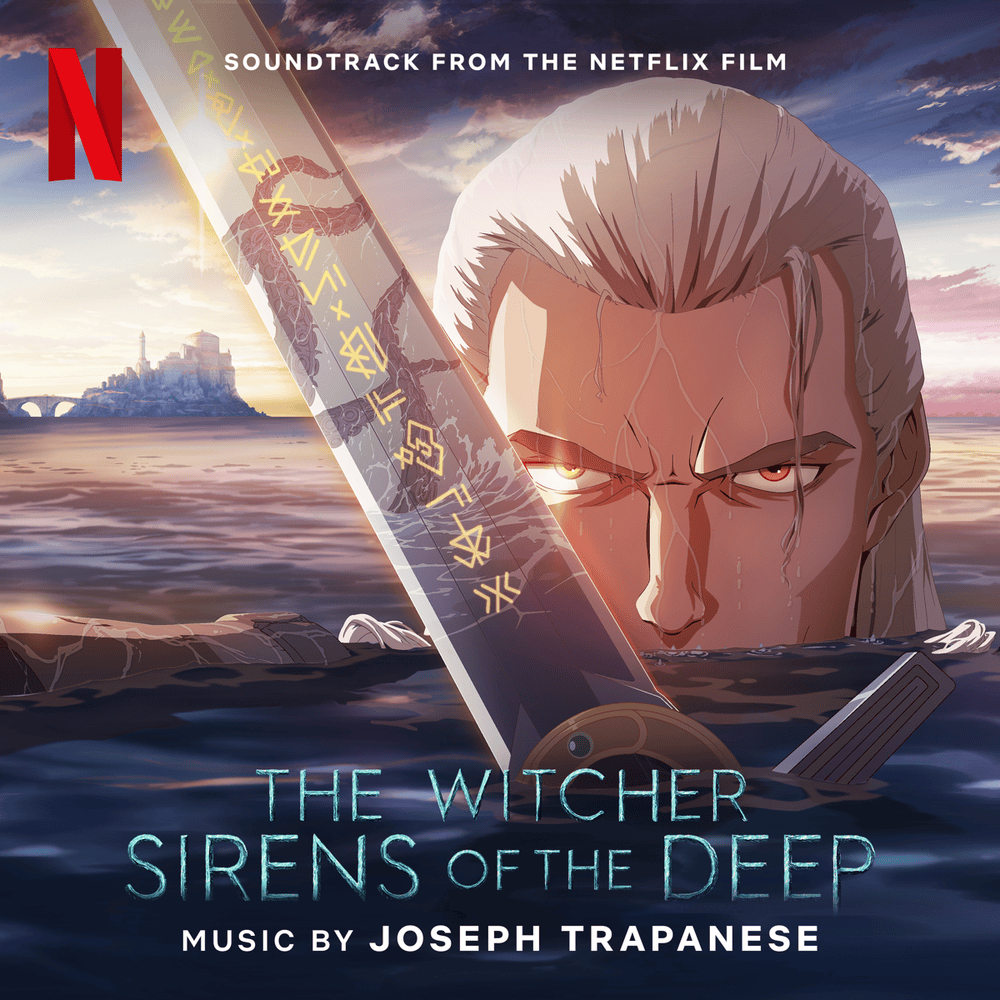
The most striking element is the shift to aggressive, almost militaristic language in the final verse. Describing their actions with "a sword, a bow, a mighty axe," the narrator declares themselves "impossible to defend" and unstoppable in their "attacks." This intense imagery culminates in the powerful assertion, "alone I write the end," emphasizing complete control over their destiny and the conclusion of their story.
This lyrical construction is effective because it transforms the abstract idea of personal growth and overcoming adversity into a tangible, combative process. The progression from editing a "draft" to wielding "a mighty axe" creates a compelling arc, making the narrator's self-determination feel earned and formidable.