Song Meaning
Joseph Arthur’s “Too Much to Hide” isn’t just a song; it's an emotional X-ray, exposing the raw nerve of self-deception and the isolating fortress of personal secrets. The track circles around a central figure wrestling with inner demons, their struggle made painfully evident through the recurring line, “Too much to hide / In your own two eyes.” This isn't about external judgment; it's the inescapable weight of one's own conscience, a truth reflected back in the mirror each morning. The 'needle' mentioned at the start feels like a truth serum, or perhaps the looming threat of exposure, suggesting a point of no return where secrets will inevitably surface.
The song’s psychological depth lies in its exploration of avoidance. Phrases like "Dream you're gone, so far gone" evoke a desire for escape, a dissociative impulse to flee from the unbearable weight of reality. This isn't merely physical absence, but an attempt to vanish from one's own consciousness, to outrun the self. Yet, there's a tether, a haunting connection articulated in the lines, "I'm down here and walking with you still / And part of me I guess always will." This suggests an empathetic observer, perhaps a former self or a lingering conscience, unable to fully detach from the subject's plight.
Ultimately, "Too Much to Hide" functions as both a lament and a plea. It acknowledges the suffocating nature of buried truths while simultaneously urging a path towards self-acceptance. The closing mantra, “Be here now,” serves as a stark reminder of the present moment's power. It's an invitation to dismantle the walls of secrecy and confront the vulnerabilities that define the human experience. The song meaning, therefore, is less about condemnation and more about a desperate yearning for authenticity and release from the prison of self-imposed isolation.
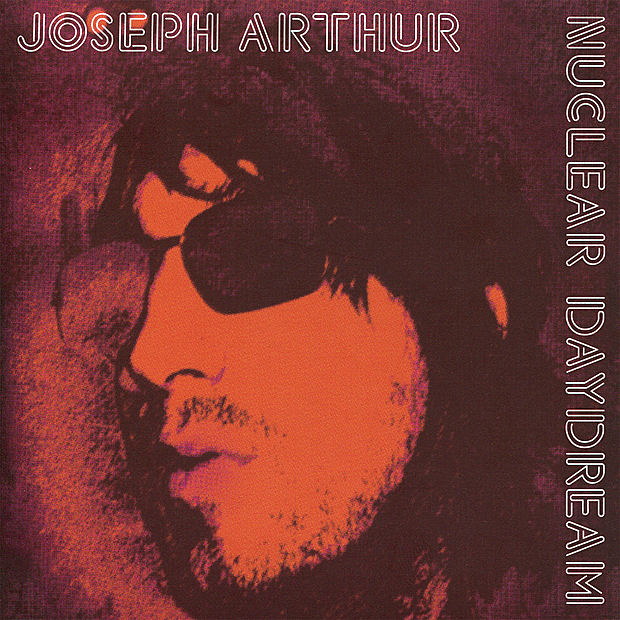
 View Artist