Song Meaning
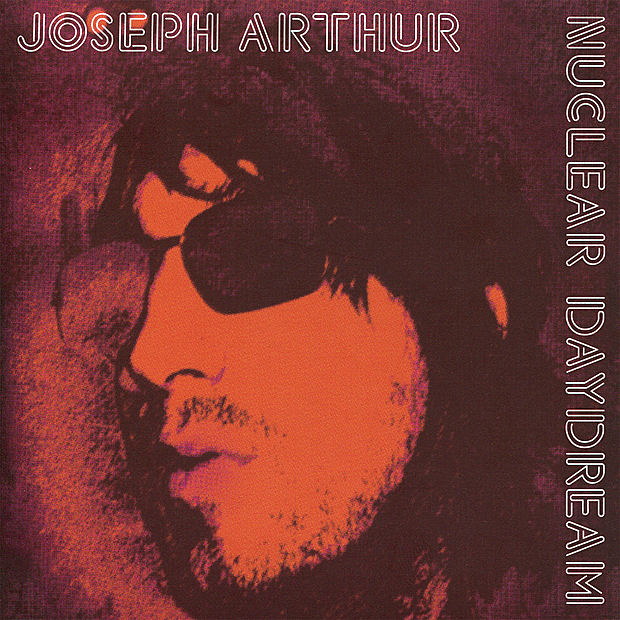
Joseph Arthur's "Nuclear Daydream" isn't a protest anthem in the traditional sense, but a far more internalized reckoning with power, control, and the fallout of a relationship turned toxic. The opening lines, stark and confrontational, establish a dynamic of threat: "You can hold your needle / You can point your gun / You can shoot and kill me / Or you could let me run." This isn't necessarily about physical violence, but the psychological warfare waged within intimate relationships, the kind where one person holds all the cards, wielding vulnerability as a weapon. The repeated declaration, "I won't ever cry for you anymore / The days when I would die for you are now gone," functions as a mantra of self-liberation, a cutting of ties to a destructive codependency. It speaks to the exhausting process of emotional re-wiring required to escape such a dynamic.
The song meaning deepens with the lines, "If there's a plan then tell me / If you know who you are / A princess or a mummy / A flower or a scar." Arthur isn't simply asking for information; he's probing the other person's very sense of self, their motivations, and whether they even possess the self-awareness to understand the damage they inflict. The imagery is potent: a "princess" suggests entitlement and manipulation, while a "mummy" evokes emotional stagnation and being trapped in the past. "Nuclear Daydream" itself becomes a metaphor for the surreal, disorienting aftermath of trauma. It's not just a bad dream, but one tinged with the apocalyptic weight of a broken bond. The atomic bomb reference suggests a complete and utter annihilation of something previously held sacred, leaving behind only radioactive residue.
The lyrics analysis reveals a journey from victimhood to self-assertion. The bridge, "What's it like to lose control? / Are you even here at all?" shifts the focus back to the aggressor, questioning their own grasp on reality and their capacity for genuine connection. The acknowledgement, "I already lost my passage / I already lost our home," is a painful acceptance of irreversible damage. The final verses, with their haunting repetition of "Are now gone," emphasize the finality of the separation. The "burning letters underneath our bed" speak to the unspoken truths and festering resentments that ultimately consumed the relationship. "Nuclear Daydream" becomes a personal declaration of independence, forged in the fires of emotional destruction. Joseph Arthur crafts a potent and unsettling portrait of survival after the blast.
 View Artist