Song Meaning
Joseph Arthur's "Marina" isn't just a song; it's a raw, unflinching portrait of a woman grappling with addiction, identity, and the search for meaning in a world that often feels indifferent. The opening lines immediately plunge us into Marina's chaotic reality – a post-methadone existence punctuated by jarring shifts between withdrawal, vivid dreams, and the numbing glow of daytime television. This sets the stage for a character study that is both empathetic and brutally honest. Her declaration, "I don't believe I'm alive," underscores a profound disconnect from herself and the world around her, a sentiment amplified by the subsequent lines about finding solace only in the moon and the hope of rebirth with the sun. The lyrics analysis reveals a cyclical struggle, a desperate attempt to find equilibrium in a life defined by extremes.
The metaphor of Marina as a "human bicycle" is particularly striking. It suggests a relentless, almost mechanical striving, "spinning her wheels to make a spark" – a desperate attempt to generate some semblance of meaning or purpose. This image also conveys a sense of vulnerability and exposure, riding alone in the dark, vulnerable to the elements and her own inner demons. The line about changing her "blame into a plague" is a complex and ambiguous one. It could be interpreted as a desire to spread her suffering, to make others understand the depth of her pain, or perhaps a self-destructive impulse to embrace her perceived flaws and inflict them upon the world.
The chorus, with its repeated assertion that "it's all there in her eyes," suggests that Marina's pain and struggle are transparent, visible to those who are willing to look. However, the repeated line "You don't know how hard I try" hints at a deeper, perhaps unrecognized, effort to overcome her challenges. The lack of a "disguise" implies an authenticity, a refusal to hide her vulnerabilities, even as she battles immense internal conflict. Ultimately, "Marina" is a poignant exploration of resilience, the search for identity, and the complexities of addiction, all filtered through Arthur's signature blend of poetic lyrics and evocative imagery.
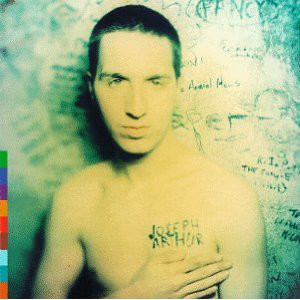
 View Artist