Song Meaning
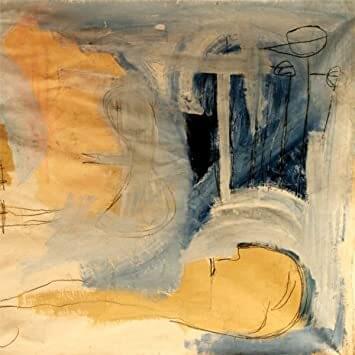
{"song_id": 15829664, "meaning": "Joseph Arthur's \"Almost Blue\" isn't just a song; it's a psychological snapshot of a soul caught between innocence and experience, a perpetual state of becoming. The opening imagery, \"playing with your toy soldiers,\" speaks volumes about the naive engagement with conflict, a childish understanding of the world's complexities where war is a game of noises and arbitrary victories. But the transition to \"playing with matches\" signals a darker turn, a flirtation with danger born from boredom, a reckless disregard for consequences that hints at a deeper yearning for something real, something that can pierce the veil of youthful complacency. This isn't just about childhood games; it's about the dangerous allure of self-destruction lurking beneath the surface of a seemingly carefree existence.
The recurring phrase \"Almost new, almost blue\" encapsulates the song's core tension. It's the space between potential and regret, a feeling of being on the cusp of something transformative, yet simultaneously weighed down by a melancholic premonition. The hideaway isn't just a physical space; it's a state of mind, a refuge from the adult world with its crushing realities and moral compromises. The verses depicting summer camaraderie and the desperate joy of winter paint a picture of fleeting connections, a shared struggle to \"go under\" while paradoxically clinging to the hope that it \"never ends.\" This duality is at the heart of the song meaning.
Arthur's haunting bridge, with its repeated vow of \"never going back,\" suggests a decisive break from a past that no longer serves. But the condition – \"till you're blue\" – implies that this escape is predicated on embracing a certain level of sadness, a willingness to confront the pain that comes with growth and self-awareness. Ultimately, \"Almost Blue\" is a poignant exploration of the liminal space between innocence and experience, a testament to the bittersweet beauty of being perpetually on the verge of something new, even if that newness is tinged with the melancholy of what's been left behind. The final, stark repetition of \"Blue\" emphasizes the arrival at a state of acceptance, or perhaps resignation, to the inherent sadness of existence."}
 View Artist