Song Meaning
The lyrics paint a picture of someone arriving from afar, asserting their presence with a clear demand for space. The repeated phrases "Circo Marimbondo" and "Circo Marambaia" create a rhythmic, almost chant-like atmosphere, setting a tone of playful but firm resistance. The narrator is not here to be bothered, stating plainly, "Não me 'atrapaia'" and "Vê se não me amola." This initial stance is direct and unyielding, establishing a boundary from the outset.
The core tension lies in the narrator's desire for autonomy and their readiness to defend it. The phrase "Larga a minha saia" is a vivid image of someone trying to hold onto or interfere with the narrator, who is clearly pushing back. This isn't just about personal space; it's about freedom from unwanted attention or control. The threat, "Se eu te der um tombo / Tomara que caia," is a playful but potent warning, suggesting that any further attempts to impede them will result in a decisive, perhaps even embarrassing, downfall for the aggressor.
The effectiveness of these lyrics comes from their directness and the infectious, almost taunting repetition. The use of "Circo Marimbondo" and "Circo Marambaia" as refrains gives the song a cyclical, insistent quality, reinforcing the narrator's unwavering resolve. It feels like a verbal dance, a back-and-forth where the narrator is always one step ahead, using rhythm and simple, declarative statements to maintain control. The imagery is minimal but impactful, focusing on the act of being held back and staying free.
Ultimately, the song resonates because it captures a universal feeling of wanting to be left alone to navigate one's own path. The narrator's arrival from a distance suggests a journey, and their immediate demand for non-interference highlights the importance of self-possession. It’s a declaration of independence, delivered with a catchy, almost defiant rhythm that makes the assertion of personal boundaries feel both fun and formidable.
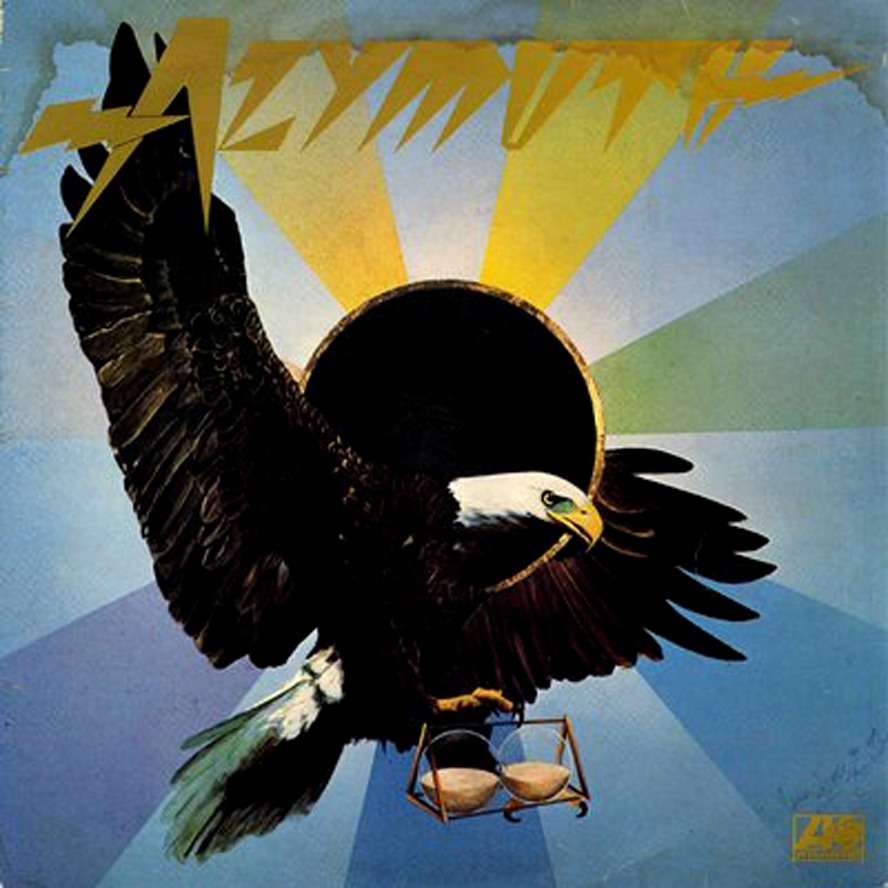
 View Artist