Song Meaning
José Luis Perales’ "Nana para mi Madre" isn't just a lullaby; it's a deeply resonant exploration of filial love shadowed by the inevitability of separation and the bittersweet ache of personal growth. The song's surface simplicity—a gentle melody paired with tender lyrics—belies its complex emotional core. It's a sonic portrait of a son grappling with the push and pull of independence, the guilt of potentially causing his mother pain, and the simultaneous yearning for both freedom and the unconditional comfort of home. Perales doesn't shy away from acknowledging the inherent selfishness in pursuing one's own path, begging his mother's forgiveness for the 'years that I stole' should his ambitions lead him astray.
The lyrics analysis reveals a circular narrative, hinting at a journey that begins and perhaps ends in the same familiar space. The repeated pleas to his mother—to keep his things, to plant flowers—aren't merely requests; they're anchors, promises of a potential return woven into the fabric of departure. The 'tomillo y miel' (thyme and honey) aren't just sensory details; they represent a specific, irreplaceable sense of belonging, a safe haven against the potential 'soledad' (solitude) he fears experiencing in his newfound freedom. This push and pull—between the alluring unknown and the comforting known—forms the central tension of the song meaning.
Ultimately, "Nana para mi Madre" is a poignant meditation on the enduring power of the mother-son bond. The closing lines, 'Toma mis manos y duérmete' (Take my hands and fall asleep), shift the dynamic, as the son now seeks to comfort the mother. It’s not just a farewell, but a shared moment of vulnerability and love, suggesting a cyclical exchange of care. Perales captures the universal truth that even as we strive to forge our own identities, the echoes of home, and the profound influence of our mothers, remain indelible parts of who we are.
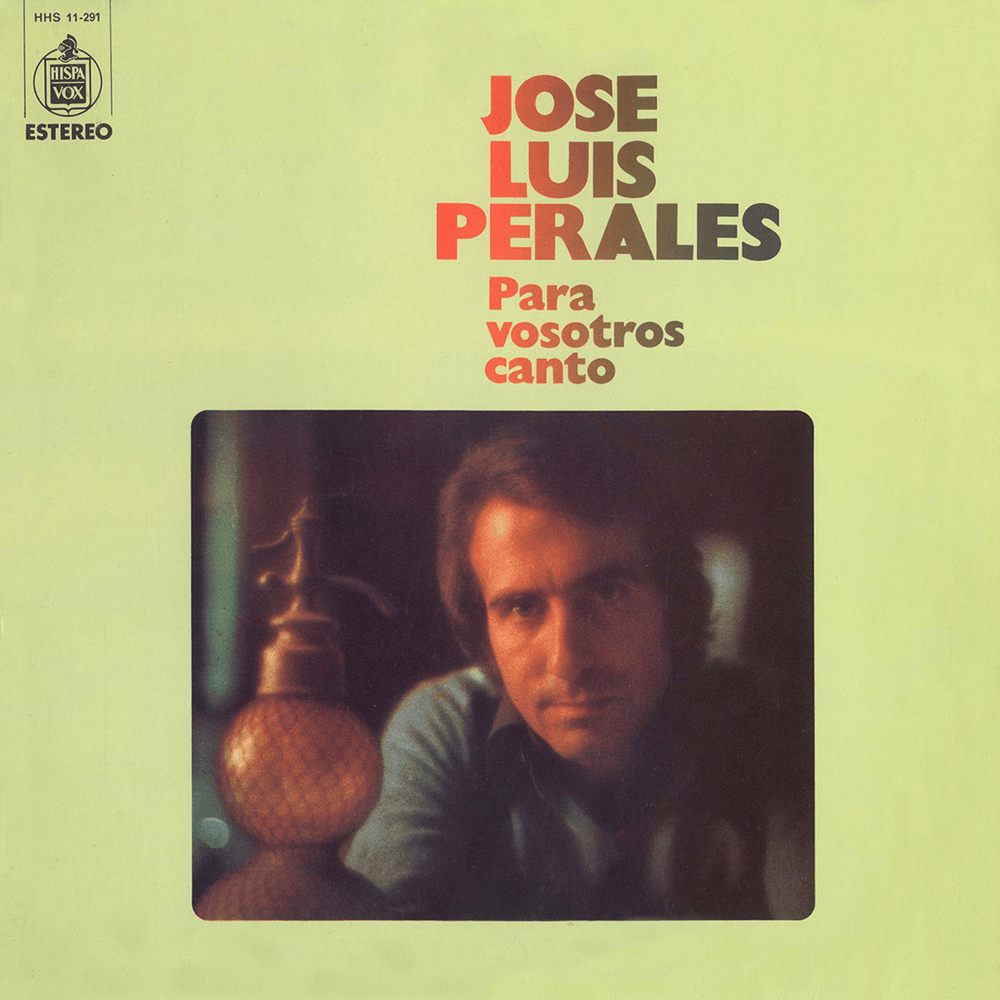
 View Artist