Song Meaning
José Luis Perales's "Muchacho Solitario" isn't just a song; it's a portrait of urban loneliness, painted with delicate strokes of empathy. The lyrics depict a solitary youth, a fixture on the singer's street, whose sadness is palpable. Perales offers not solutions, but a shared space for that pain, a gesture of solidarity in a world that often ignores those on the fringes. The repeated line, "Daría lo que soy por verte sonreír" is not a grand, performative sacrifice, but a quiet acknowledgment of the young man's inherent worth, a desire to alleviate suffering that resonates with a deep understanding of human connection. The desire to give him the wings of a sparrow and steal the pain from his pockets is a bittersweet offering, a metaphor for the simple joys and the burdens we all carry.
The image of the young man waiting, smoking by the balcony, hints at heartbreak, a universal experience that amplifies isolation. The lyrics don't explicitly state what he's waiting for, or who betrayed him, but the implication is clear: he's wrestling with disillusionment, a common rite of passage. Perales identifies him as a "corazón solitario," a lonely heart, a friend of the night under the streetlight, suggesting a kinship born of shared experience. The streetlight isn’t just illumination; it's a beacon for the lost, a stage for silent dramas played out in the urban darkness. It’s a place where the city's underbelly is exposed, where vulnerability is laid bare.
The song's power lies in its simplicity and directness. The lyrics refrain from judgment or sentimentality, opting instead for observation and compassion. When the young man cries without knowing why, and a stray dog licks his feet as he walks away, the scene is not pathetic, but tender. It speaks to the exhaustion of city life, where even the landscape seems weary. The phrase "la vida te ha enseñado su canción" is both melancholic and profound. Life's song, in this context, isn't a cheerful melody, but a somber tune of loss and resilience, one that the "Muchacho Solitario" has learned all too well. The song, ultimately, is an ode to the unseen, the unheard, and the quietly suffering among us, reminding us to acknowledge their presence and perhaps, in doing so, alleviate a small measure of their pain.
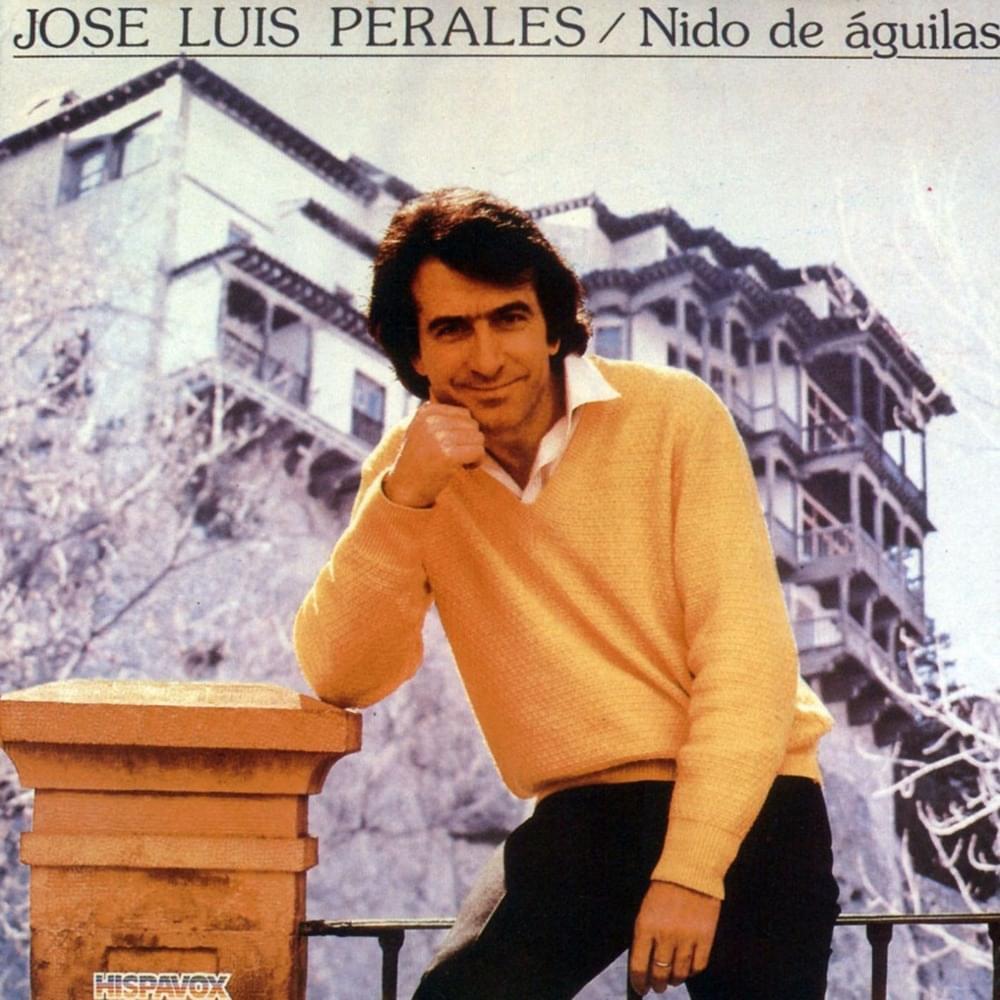
 View Artist