Song Meaning
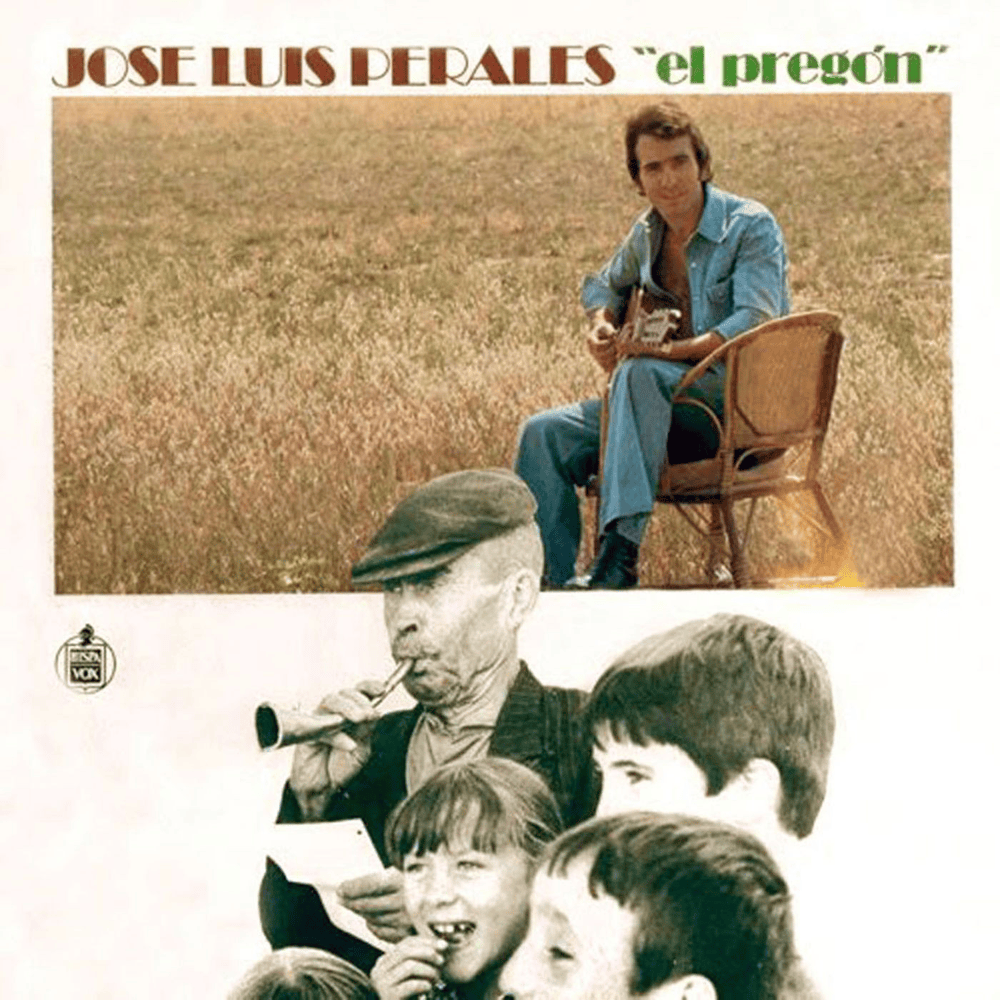
José Luis Perales' "El Pregón" isn't just a song; it's a sonic snapshot of a simpler time, a nostalgic tableau vivant painted with folksy melodies and vivid lyrical details. The song's core revolves around the 'pregonero,' the town crier, a figure now almost entirely relegated to the history books, yet vibrantly alive in Perales's rendition. He's not merely announcing mundane market updates; he's a social linchpin, a charismatic figure whose arrival punctuates the rhythm of daily life. The children trailing him aren't just curious; they represent the community's collective anticipation, their eagerness for connection and shared information. The 'pregonero' is the original social media, a human algorithm curating and disseminating the town's essential news. He offers a brief respite from the ordinary. His pronouncements are a welcome distraction. The song is about the collective experience of community and connection. Perales understands the human need to connect with others.
The lyrics analysis reveals the song's deceptively simple structure which belies a deeper commentary on community and commerce. The Alcalde's announcements aren't just about selling melons and honey; they're about the exchange of goods, the bartering of skills, and the maintenance of social bonds. The market is a microcosm of the town itself, a place where needs are met, connections are forged, and traditions are upheld. The individual purchases mentioned – a towel, a mortar, a watermelon, a scarf – are not mere transactions. They represent the individual stories woven into the larger tapestry of the community. Each purchase is a small act of participation in the collective life of the village.
The final verse, with the Gypsy's amplified plea, introduces a subtle undercurrent of change and impermanence. His impending departure hints at the transient nature of life, the inevitable fading of traditions in the face of modernity. It adds a layer of melancholy, reminding us that even the most cherished rituals are subject to the relentless march of time. The 'la, la...' refrain, which punctuates the song, is more than just a catchy melody; it's an echo of the past, a nostalgic yearning for a time when community was more immediate, more tangible, and more deeply felt. Perales masterfully uses this refrain to amplify the emotional resonance of the song, transforming it from a simple folk tune into a poignant reflection on the human condition.
 View Artist