Song Meaning
José Luis Perales' "Aquella Mujer" sketches a poignant portrait of a woman's disillusionment and departure, a narrative painted with strokes of jealousy, betrayal, and the hope for a new horizon. The opening lines immediately establish a sense of melancholic finality, the image of her gaze fixed on the departing train, luggage at her feet, symbolizing a definitive break from her past. The revelation of infidelity serves as the catalyst, shattering her former identity as a "celosa" (jealous) yet devoted wife confined to the domestic sphere. The lyrics highlight her past life, tending to her "flores rojas" (red flowers), a potent symbol of passion and perhaps, ironically, a warning sign of the love she poured into a relationship that withered. This meticulous care within her enclosed world contrasts sharply with the expansive unknown that awaits her.
Central to the song's impact is the exploration of identity. The repeated "Aquella mujer" (That woman) emphasizes her former self, a self now irrevocably altered. The rhetorical question, "¿la mujer de quién?" (Whose woman?) cuts deep, underscoring the loss of her established role and the uncertainty of her future. She's no longer defined by her relationships, particularly her marriage. The lyrics subtly acknowledge the double standard at play, contrasting the woman's journey of self-discovery, born from pain, with Pablo's inevitable reckoning. While she seeks a new land and a fresh start, Pablo, presumably the unfaithful partner, faces a different kind of desolation.
Perales avoids simplistic moralizing, instead focusing on the psychological fallout of betrayal. Pablo's fate, seeing his "sol se apagó" (sun extinguished) in the mirror, suggests a loss of vitality and self-worth, a consequence of his actions. However, the song's core empathy lies with the woman. Her departure is not simply an escape but a potential rebirth. The "otra tierra" (another land) she envisions offers the possibility of redefining herself outside the confines of her past relationship and the expectations placed upon her. The "la la la" refrain, bookending the song, acts as a haunting echo, a reminder of the cyclical nature of life, love, and loss, and the enduring search for personal meaning in the face of adversity.
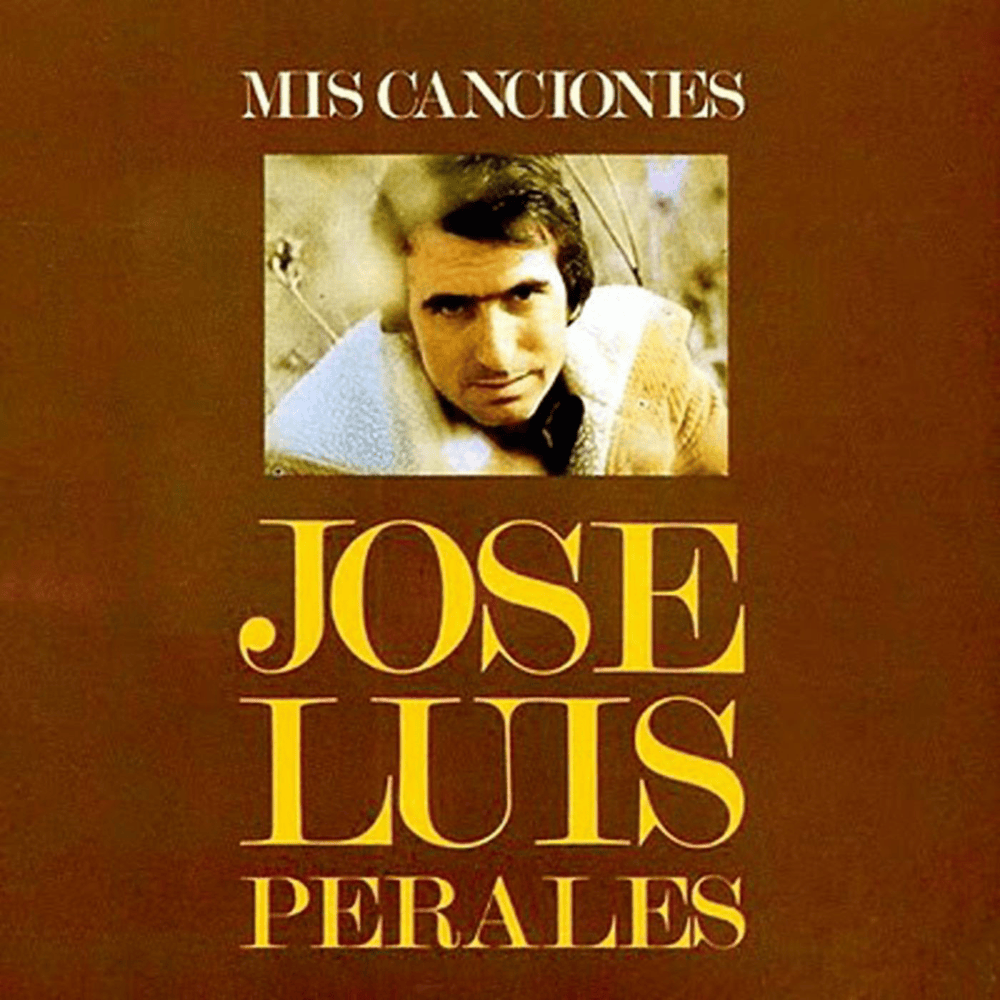
 View Artist