Song Meaning
The lyrics to "Yo No Soy Digno De Ti" plunge listeners into a raw, self-lacerating confession. The narrator admits, "Te estoy tratando mal," acknowledging a pattern of harmful behavior. Crucially, they add, "Y no puedo evitarlo," revealing a disturbing sense of helplessness. This isn't just regret; it's a desperate plea from someone trapped in their own destructive cycle.
The emotional core of the song lies in the narrator's profound sense of unworthiness, repeatedly stating, "Yo no soy digno de ti." They observe their partner's forgiveness, but then twist it, suggesting it's given "por amor y por limosna" – for love and for charity. This devalues the partner's compassion, painting it as pity rather than genuine affection. The narrator then issues a stark, almost violent command: "Haz polvo tu amor y echalo al viento," urging the partner to destroy their feelings and escape.
A pivotal moment arrives with the revelation that the narrator is making their partner "Pagar el daño que me han hecho." This line shifts the blame from inherent malice to a projection of past hurts, adding a layer of tragic complexity. The partner's endurance is explained by the narrator's observation, "Porque eres medio santa," implying an almost saintly patience that enables the cycle. This isn't just self-condemnation; it's a psychological unburdening, explaining the roots of the toxic behavior.
The effectiveness of these lyrics stems from their unflinching honesty and the cyclical nature of the narrator's despair. The constant return to the theme of unworthiness, coupled with the stark imagery of love turning to dust, creates a visceral sense of a relationship suffocating under the weight of one person's self-loathing. It’s a powerful, unsettling portrayal of love tangled with deep-seated pain and an inability to break free.
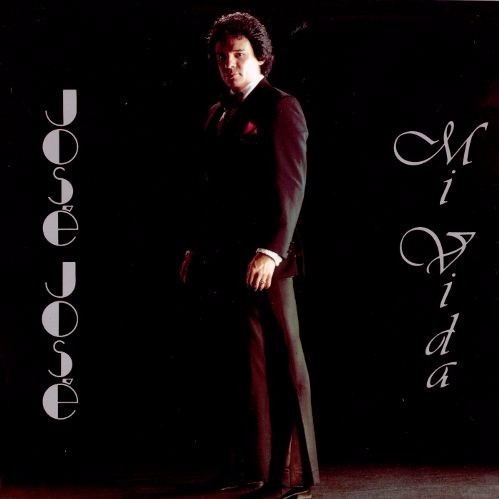
 View Artist