Song Meaning
José José's "Si Alguna Vez" opens with a tender, almost diagnostic premise: if remembering the speaker brings tears, it's proof of enduring love. This isn't a question, but a hopeful assertion, immediately setting a tone of poignant longing. The lyrics suggest that these emotional reactions—tears, a desire to see them again—are undeniable signals of a connection that persists.
The song quickly broadens its scope, moving from personal observation to a universal truth about love's profound impact. It reminds us that love is the force that "nos mueve / Y nos conmueve a sonreír o a sollozar," capable of both joy and sorrow. This philosophical interlude sets up the central tension: the pain of past experiences against the potential for a new, happier future, urging the listener to "olvidar todo pasado y comenzar una vez más."
A key craft element is the conditional structure, repeatedly framing the other person's emotional responses as evidence: "Si alguna vez... Es que me quieres." This isn't a plea, but a hopeful interpretation, turning potential sadness into a sign of affection. The lyrics then introduce a surprising twist: if one truly expresses what they feel "sin mentir," they "ya no llorarás." This suggests the tears aren't just from sadness, but from suppressed truth.
Ultimately, these lyrics are effective because they reframe emotional pain not as an end, but as a signal. Tears become a potential key to unlocking a new beginning, a path to reconciliation and genuine happiness. The speaker isn't just asking for a second chance; they're offering a route to "La paz, la paz," implying that true peace emerges from acknowledging and acting on one's deepest, most honest feelings.
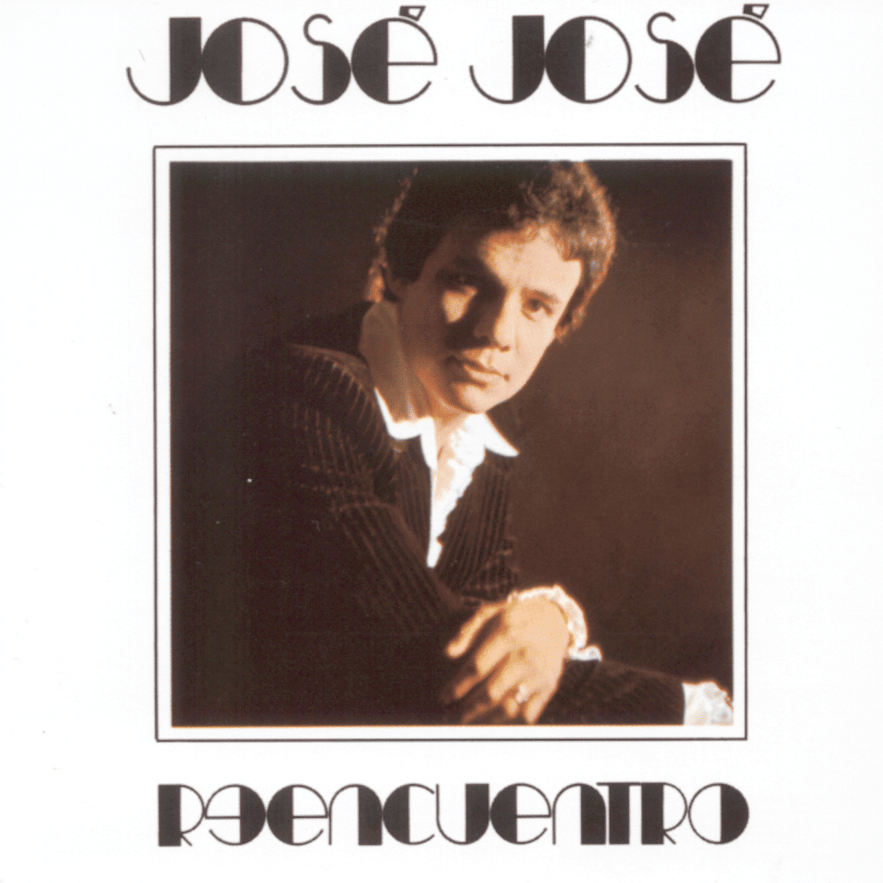
 View Artist