Song Meaning
José José's "Pero Te Extraño" immediately plunges the listener into a world of profound absence. The speaker is consumed by missing someone. This isn't a fleeting feeling; it's an inescapable, constant ache. Every moment, every context, is colored by this deep longing.
The lyrics reveal a pervasive emotional tension: the speaker's life continues, but the absence of the beloved makes every experience, whether joyful or sorrowful, feel incomplete. Phrases like "por Dios, que me hace daño" and "estoy sufriendo" directly convey the physical and emotional pain this separation causes. The missing person isn't just a memory; they are felt "como algo muy mío," suggesting an intrinsic connection that, when severed, leaves a gaping wound.
The most striking craft element is the relentless repetition of "Te extraño." This isn't just a statement; it becomes a rhythmic, almost hypnotic chant that mirrors the obsessive nature of the speaker's thoughts. The lyrics cleverly contrast opposing states – "cuando lloro, cuando río," "cuando el sol brilla, cuando hace mucho frío" – to emphasize that this longing is not situational but an all-encompassing force. Even the final lines, acknowledging "tus virtudes, con todos tus errores," underscore an unconditional missing, accepting the person in their entirety.
This raw, unadorned language, combined with the cumulative power of its central refrain, makes the lyrics incredibly effective. The speaker doesn't intellectualize their pain; they simply *feel* it, intensely and without end. It’s this honest, almost desperate admission – "no sé, pero te extraño" – that resonates, capturing the universal, sometimes illogical, pull of profound affection and loss.
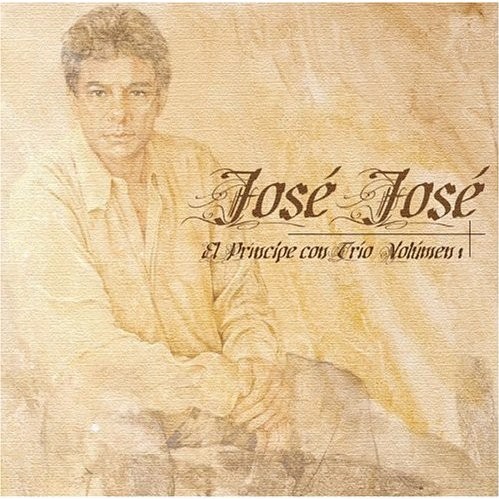
 View Artist