Song Meaning
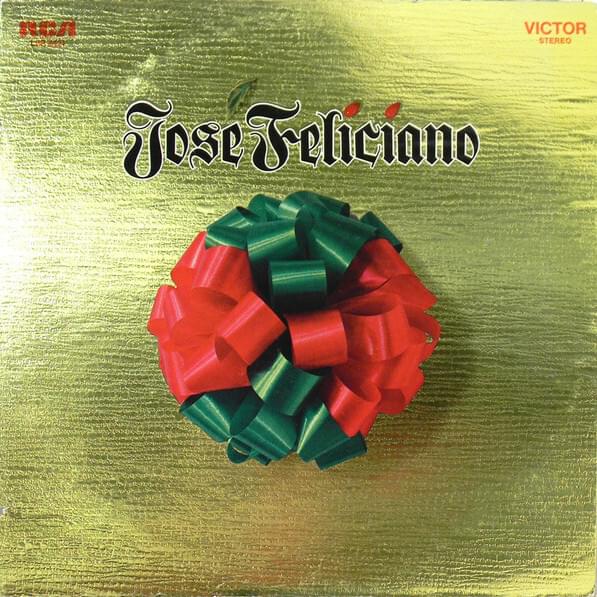
{"song_id": 14556767, "meaning": "José Feliciano's rendition of \"White Christmas\" isn't just a holiday standard; it's a poignant exploration of memory, longing, and the idealized past. Stripped of its potential for saccharine sentimentality by Feliciano's soulful delivery, the song becomes a wistful yearning for a specific kind of purity – a 'white' Christmas that likely exists more vividly in the mind than in reality. The opening lines, \"I'm dreaming of a white Christmas/Just like the ones I used to know,\" immediately frame the song as an exercise in nostalgia, suggesting a gap between present experience and a cherished, perhaps even embellished, recollection. The lyrics evoke a sensory landscape of glistening treetops and the delicate sound of sleigh bells, triggering a cascade of comforting associations. It’s not merely about snow; it’s about the innocence and wonder of childhood, a time when the world felt simpler and more magical.
The act of dreaming underscores the elusive nature of this ideal. Feliciano isn't simply remembering; he's actively conjuring this 'white Christmas,' imbuing it with a personal significance that transcends the generic holiday greeting. The repetition of \"With every Christmas card I write\" hints at a ritualistic attempt to recreate or perpetuate this dream, as if the act of sending well wishes is a form of self-persuasion. This ties into the psychology of nostalgia, where individuals often seek to reconnect with idealized versions of the past as a coping mechanism or a source of comfort in the face of present anxieties or uncertainties.
Ultimately, Feliciano's \"White Christmas,\" is a sophisticated meditation on the power of memory and the human desire for idealized experiences. The wish for 'merry and bright' days, culminating in 'white' Christmases, transcends a simple seasonal greeting. It speaks to a deeper human need for peace, joy, and a sense of belonging, all wrapped in the comforting blanket of nostalgia. The song, through Feliciano's interpretation, becomes a reminder that while the past may never be perfectly replicated, its emotional resonance can continue to shape our present and future desires."}
 View Artist