Song Meaning
José Feliciano's "Noche De Angustia" isn't just a heartbreak ballad; it's a raw, almost operatic exploration of abandonment and the tortured path to forgiveness. The song meaning hinges on that titular 'night of anguish,' a moment of betrayal so profound it threatens to consume the narrator. Feliciano paints a bleak soundscape, detailing a love lost without reason, a plea ignored, and a vow of self-destruction made in the heat of passion. The lyrics sketch a portrait of a man unraveling in real-time. He's not just sad; he's spiraling.
The image of waiting until dawn, only to find a dying streetlamp in the fog, is a masterstroke. It visually represents the fading hope and the extinguishing of a once-bright love. This isn't a clean break; it's a slow, agonizing fade into despair. The repetition of the phrase "Aquella noche fue tan negra en mi agonía" reinforces the cyclical nature of grief, the way the memory of that night continues to haunt and define his present. The narrator is trapped in a loop of pain, unable to escape the emotional darkness.
Yet, amidst the anguish, a flicker of hope emerges. The lines, "Hoy que en la vida yo, yo no tengo a nadie / Soy un perdido voy gritando por la calle," expose a profound loneliness. But the subsequent confession—"Que si te vuelvo a ver, no sé que te diré / Pero es muy fácil perdonar a una mujer"—introduces a complex layer of vulnerability and a surprising capacity for forgiveness. It's not about condoning the act of betrayal; it's about acknowledging the inherent human capacity for empathy, even in the face of deep personal pain. The ease with which he anticipates forgiving her speaks volumes about the enduring power of love, or perhaps, the self-deception we employ to survive heartbreak. Feliciano doesn't offer a tidy resolution, but rather, a glimpse into the messy, contradictory heart of a man grappling with loss and the difficult choice to forgive.
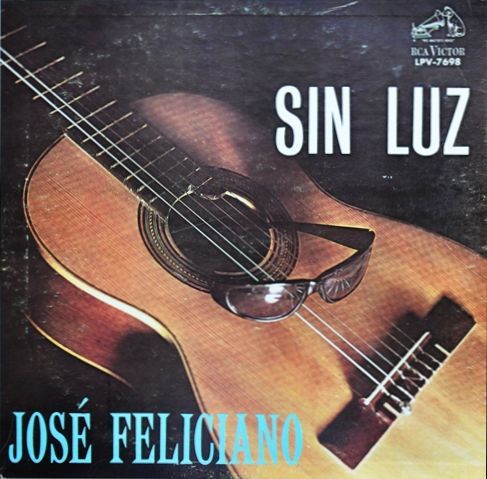
 View Artist