Song Meaning
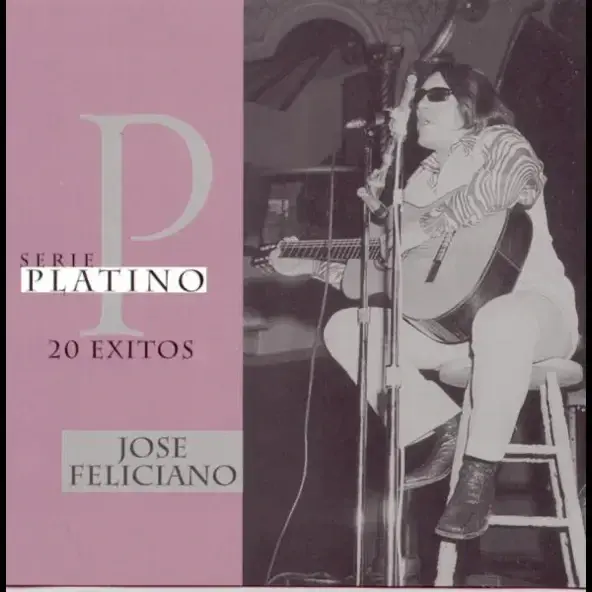
José Feliciano's "El Jinete" isn't just a song; it's a stark portrait of grief embodied in a wandering horseman. The opening lines paint a picture of isolation: a solitary rider traversing distant mountains, already yearning for death. This isn't a simple lament; it's a visceral depiction of a soul crushed by loss, seeking oblivion as the only solace. The "jinete," or horseman, becomes a symbol of profound despair. The lyrics suggest a man so consumed by the pain of losing his beloved that life itself has become unbearable. The repeated lines, "Por eso lleva una herida / Por eso busca la muerte" (That's why he carries a wound/That's why he seeks death), act as a haunting refrain, hammering home the depth of his suffering. He loved her more than his own life, and her absence has left him with an irreparable wound.
The image of the wounded horseman is further amplified by the melancholic scene of him singing through the night with his guitar. Man and instrument become one, their collective sorrow echoing under the starlit sky. There's a raw intimacy in this moment, a glimpse into the private torment of a man unburdening his soul through song. The beauty of the night, however, offers no comfort. Instead, it serves as a backdrop for his desperate plea to God, begging to be reunited with his lost love in death. The guitar, a traditional symbol of love and passion, here becomes an instrument of mourning, its melodies laced with heartache.
Ultimately, the song meaning of "El Jinete" resides in its unflinching portrayal of grief's power to consume. It's a journey into the darkest corners of the human heart, exploring the devastating consequences of love and loss. The horseman's endless ride becomes a metaphor for the unending nature of sorrow, a testament to the enduring pain of a broken heart. Feliciano's emotive delivery only deepens the impact, transforming a simple ballad into a powerful meditation on mortality and the enduring power of love, even in its absence.
 View Artist