Song Meaning
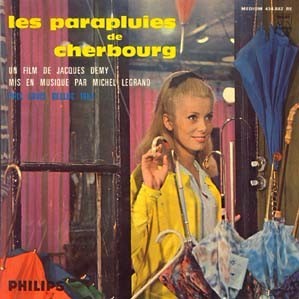
Michel Legrand's "Devant le magasin," ostensibly a simple snippet of dialogue, hums with the bittersweet ache of young love struggling against the mundane. Its power lies not just in the directness of the lovers' exchanges – "Guy, je t'aime" – but in the interruptions, the intrusions of the everyday that threaten to erode their connection. The gas station scent clinging to Guy becomes, for Geneviève, a perfume; a transformation fueled by infatuation, a desperate attempt to romanticize the ordinary. This highlights the human tendency to idealize our loved ones and their worlds, even when those worlds are decidedly unglamorous.
The presence of Madame Emery and the unnamed customer creates a claustrophobic atmosphere, trapping Geneviève between the intensity of her feelings for Guy and the stifling reality of her work. The repeated request for "un parapluie, un parapluie noir" serves as a stark counterpoint to the vibrant, albeit brief, declarations of love. The umbrella, a symbol of protection and practicality, underscores the looming responsibilities and societal expectations that threaten to extinguish the flame of youthful passion. The mother's question "Où étais-tu?" is not just a practical inquiry but a symbolic challenge to Geneviève's dreams and desires.
Ultimately, the song's meaning resides in the tension between Geneviève and Guy’s idealized world of romance and the practical, almost suffocating world that surrounds them. The promise of dancing after work offers a fleeting escape, a temporary reprieve from the demands of daily life. "Devant le magasin" captures a pivotal moment in their relationship, a moment where the intoxicating allure of first love clashes with the sobering weight of reality, hinting at the challenges that lie ahead and the potential for their bond to either deepen or dissolve under pressure.