Song Meaning
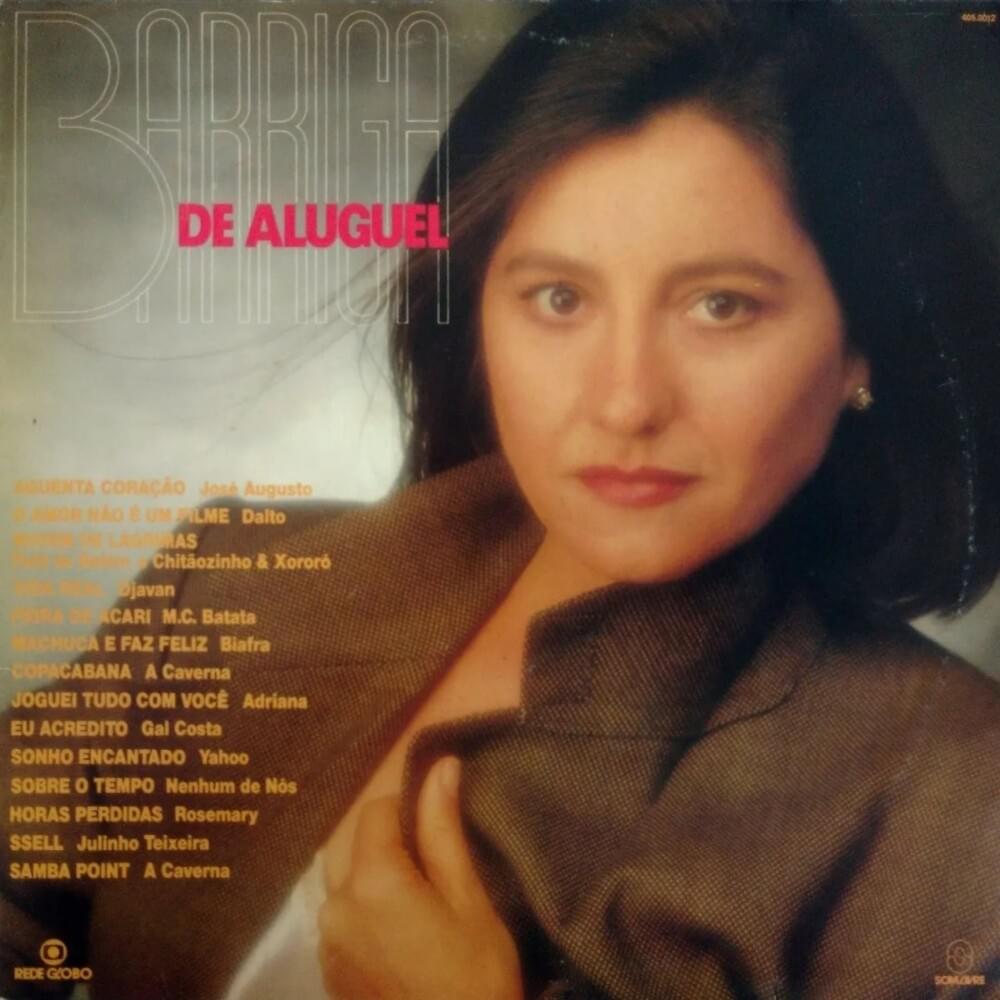
The lyrics paint a picture of internal conflict, a narrator wrestling with their own heart's desires. The opening lines immediately establish this tension, with the narrator directly addressing their "Coração" (heart) and questioning why they always end up in the same emotional state. There's a clear sense of regret and confusion as the narrator realizes their heart has fallen for someone, leading to pain "no meu peito" (in my chest), despite their intention for a mere "aventura" (adventure).
The central tension lies in the narrator's struggle to reconcile their desire for casual encounters with the unexpected depth of feeling their heart has developed. They lament the "doçura" (sweetness) they can't forget, recognizing that this burgeoning "paixão" (passion) is leading them toward "loucura" (madness). The narrator feels trapped, lamenting that this feeling this way "não é justo" (is not fair) and that there's "não deixar saída" (no way out).
The most striking aspect of the craft is the personification of the heart as a separate entity, almost an antagonist. The narrator repeatedly scolds their heart, accusing it of getting carried away and forgetting that "você sou eu" (you are me). This internal dialogue highlights the feeling of losing control, where one's own emotions feel like an external force dictating their actions and leading them into unwanted emotional territory.
This lyrical approach is effective because it captures the visceral experience of falling in love against one's will. The direct address to the heart, the frustration with its unpredictable nature, and the feeling of being overwhelmed by sweetness all resonate with the common human experience of emotional vulnerability. The repeated plea to "aguenta coração" (hold on, heart) underscores the inevitability and the burden of these feelings, making the narrator's plight feel both personal and universally understood.
 View Artist