Song Meaning
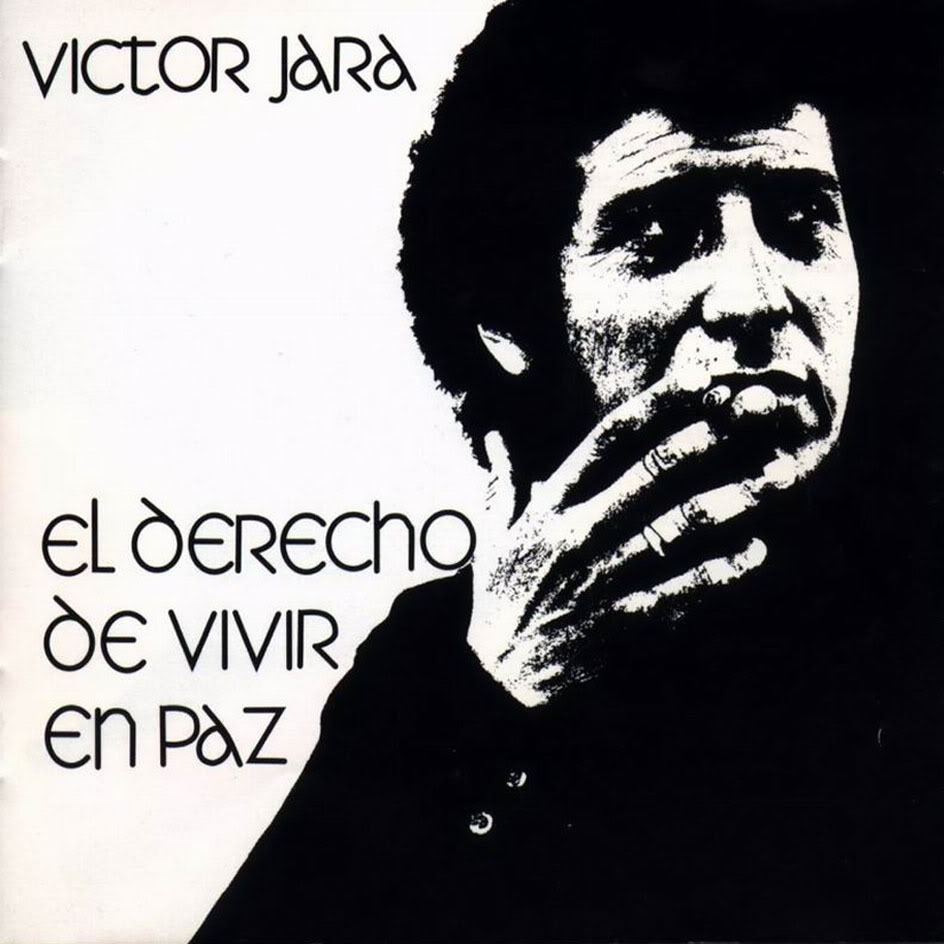
This song opens with a powerful assertion of a fundamental right: the right to live in peace. It immediately grounds this abstract concept in a specific, poignant image: a Vietnamese rice paddy, suggesting that even in the face of conflict, the simple act of cultivation and sustenance is inviolable. The lyrics frame this not just as a local struggle but as a concern for "all of humanity," linking the fate of Vietnam to a universal human experience. The repeated phrase "El derecho de vivir en paz" acts as a steadfast anchor, a recurring plea against the backdrop of distant violence.
The central tension arises from the stark contrast between the desire for peace and the brutal reality of war. The lyrics paint a grim picture of Indochina, a place "beyond the wide sea" where "the flower is crushed with genocide and napalm." This imagery is visceral, transforming the moon itself into a destructive "explosion" that drowns out all cries for help. It highlights the overwhelming destructive force being unleashed, making the simple right to live seem impossibly fragile.
The song's craft shines in its use of contrasting symbols to define the nature of peace and resistance. The narrator, addressing "Uncle Ho," describes their song as "fire of pure love," a "dove, dovecote, olive tree of the olive grove." These are images of gentleness, growth, and universal harmony. Yet, this peaceful imagery is also described as "universal song, chain that will make triumph," suggesting that the fight for peace itself requires a powerful, unifying force. The juxtaposition of soft, natural symbols with the idea of a triumphant "chain" underscores the active, collective effort needed to secure the right to live in peace.
Ultimately, the lyrics resonate because they transform a political statement into an emotional plea. By focusing on the tangible image of the rice paddy and the abstract yet deeply felt "right to live in peace," the song connects the specific suffering in Indochina to a universal human longing. The recurring chorus acts like a mantra, a persistent call for a world where life, not destruction, prevails, making the listener feel the weight of that fundamental human claim.